As a journalist, I once held photographers in low regard. Mainly because I believed that good prose could stand on its own. Plus it was a pain in the ass filling out and submitting photo assignment forms on the off chance a staff photographer would be available. And, if they were, they’d piss and moan about having to come out and shoot whatever it was I was covering as a reporter.
After finding myself pressed into service as a photographer/reporter, I had a change of heart. It wasn’t until after I retired from the Ashland Times-Gazette and started writing freelance that I discovered the joys of covering stories “camera-first” — as a photojournalist. There’s much to be said for letting the camera find the story. And less to be said — literally.
News writing forces an economy of prose. Reducing that to a photo and caption (or cutline as it’s known in the business) forces you to be even more economical.
I want to take my column more in that direction. Case in point:
One of a dozen images that ran with this column. I took this one years ago in Bellville at what is arguably one of Richland County’s most picturesque sites — Elzy Milling & Trade.
(This originally ran as a column in the Ashland Times-Gazette.)
I love starting my day by grabbing a cup of gas station coffee and shooting up a small town. The towns around here are so small, some mornings I can shoot up two or more.
My weapon of choice is a vintage Canon. Vintage by today’s standards because it’s more than five years old. It’s nothing fancy — a fixed-lens model that I bought for less than $500. But it’s not about the camera or how much you pay for it. You have an eye for photography or you don’t.
Between that and my cellphone camera, I’ve put plenty of photos in galleries. (Not to toot my own horn but one of my works will be in this year’s May Show at the Mansfield Art Center. Which runs May 19 – June 30.)
You can blame the Times-Gazette for my passion for shooting up small towns. A staff photographer quit and was not replaced. I started bringing my point-and-shoot camera to work — mostly to shoot car crashes. It was literally a crash course in photography.
The Times-Gazette had a point-and-shoot camera reporters could use when the staff photographer was off on assignment and unable to respond to crashes, fires, and the most undesirable of all assignments — the grab and grin. (That’s journalism lingo for those ubiquitous photos of benefactors handing donation checks to grateful recipients.)
Reporters dreaded using the company camera. It was one of the first digital cameras ever made and there was about a five-second delay from the time you pressed the shutter button till it took the shot. On one occasion I was covering a dinner where an elderly woman received a plaque for a lifetime of service to the local Red Cross. She reluctantly posed for a photo onstage — only to be called back for a second take because she had walked out of the frame and off the stage before the camera took the shot.
In spite of all that, I gradually came to love photography. More than writing at times. There were days when, if I didn’t pick up a camera and take a few shots, I’d feel half-alive. I especially love shooting early in the morning, when it’s quiet, the light is soft, and people are just beginning to stir. It helps that they’re not yet awake and don’t notice me and my camera.
I suppose if I lived and worked in a big city I’d become what’s known as a street photographer — lurking on a park bench and surreptitiously squeezing off shots of unwitting passers-by. But I don’t. And I’m glad.
I can’t resist the allure of small towns. Especially during the early morning “rush minute” when people are grabbing a cup of coffee from Mickey Mart on their way to work or stopping by a ma-and-pa restaurant for breakfast.
So hop in, fasten your seatbelt, and I’ll take you on the rounds of a few small towns I’ve shot up over the years. I won’t complain if you spring for the coffee.
I have, on occasion, stopped for coffee on my morning photography rounds at the Perrysville C Store at Ohio 39 and Ohio 95. It’s a popular place for locals to gas up to start their day as well as tourists and anglers headed to nearby Pleasant Hill Lake.
Loudonville’s Main Street has seen its share of changes since I took this shot years ago. It’s one of my go-to places for early morning photography. I especially enjoy shooting there during street fair time, Winterfest and early in the morning during the summer car show.
Perrysville is another great town for early morning photography. I was able to get out of my truck and get this shot of a lone pedestrian on South Bridge Street on a foggy morning. This is one of those instances when a proliferation of overhead wires enhances the feel of the photo.
I visited Shreve, Ohio, on a Saturday during the Spring Migration Sensation, which used to be one of Ohio’s premiere birding events. As I was gassing up my truck this scene across the street called out to me.
It’s always great when people in towns like Bellville can maintain some of the historical housing stock — along with traditional landscaping. I took this in May 2024.
I miss the little restaurant on Hayesville’s main drag, which made it a great place to stop in the morning for coffee and gossip. A few of the older homes remain and offer a charm of their own.
Main Street Loudonville — reminiscent of a shot I took one Fourth of July of a lone man sitting on a bench, head in hands. I entitled it “Despairica.” One of the school bus drivers later commented that hers was among the buses captured in this photo. Small town America … gotta love it.
Another morning scene from Bellville. I loved the rough look of the pickup truck parked in front of the town’s ma-and-pa eatery. It’s that kind of place. Great pies too!
Morning in Butler, just down the road from Bellville. A town that has seen hard times in the past decade or so. The nearby Whiffletree restaurant remains a favorite breakfast spot for locals and tourists in season. How much has the B&O bike path contributed to what prosperity the town enjoys?
During a morning visit in May, this juxtaposition caught my eye in Butler — the weathered angel with the artillery piece in the background.
Bellville side street. It struck me while editing this shot that the sidewalk was put in to accommodate a tree — which is long since gone. Still, it makes for an interesting visual and a reminder of what was. A tree that might well have predated the house.
I originally thought of including this shot of my late father with the ones submitted with the column but didn’t. It was taken in a restaurant in Britt, Ontario, where a sign behind the counter reads “The nice thing about living in a small town is that, if you don’t know what you’re doing, everyone else does.” When I took the shot, an old-timer at the next table exclaimed, “Hey, you can’t shoot a Canon in here!”
Pitched my tent in an old canal bed – at Towpath Trail Peace Park. Plenty of spirits traveling through there.
I arrived in Bolivar late Saturday afternoon. I’d eaten an early breakfast at my Beaver Creek campsite then spent the day driving aimlessly around the backroads of eastern Ohio. I wasn’t particularly hungry. Still, I felt I should eat something before heading to the outskirts of town to camp at Towpath Trail Peace Park.
I parked my truck across the street from a promising-looking little restaurant — the Canal Street Diner. I was not disappointed. Later I’d learn that, had I stepped out the back door and wandered a short distance and time-travelled to the mid 19th century, I might have stumbled into the Sandy & Beaver Canal where it joined the Ohio & Erie Canal. Beaver Creek State Park is at the other end of the Sandy & Beaver Canal — about 70 miles away.
Shortly after I arrived at Towpath Trail Peace Park, a man who introduced himself as Laughing Crow came out to greet me. He told me that the owner, Joe Rinehart, was out but would be back shortly. Then he showed me where to pitch my tent.
“Anywhere in there,” he said, gesturing toward a two-tiered grassy terrace. I later learned that the lower tier was a remnant of a canal bed.
Then he seemed to vanish — back into the house or somewhere on the property. I felt Laughing Crow’s presence but didn’t see him for the remainder of my stay there.
I knew there was something special about Towpath Trail Peace Park — something magical. I got that impression from Joe’s morning posts on Facebook. Like me, Joe’s an early riser and a dedicated coffee drinker. He’s one of those people that, if you lived in the same town, you’d hang out with him at the local diner.
That’s why I decided to camp at the Peace Park on the second night of my three-day road trip through eastern Ohio.
The whole trip started with a chance meeting with a reader — a guy I’d never met before — in the parking lot of Wedgewing Restaurant in Perrysville, which is near where I live. I mentioned that I was looking for places to camp and canoe and he suggested I try Beaver Creek State Park near the Pennsylvania border.
I rarely act on such recommendations, much less even consider them. The stranger had no sooner driven off in his old Ranger pickup truck when I had one of those “why not?” moments. By the time I got home, I’d drawn up a rough itinerary in my head.
That included a stay at Joe’s Peace Park.
Two days after the chance meeting in Perrysville I was tooling down the Lincoln Highway singing along with Willie Nelson. “On the Road Again.”
Somewhere this side of Lisbon, Ohio, a bald eagle swooped down to the road in front of my truck. The eagle was after fresh roadkill but thought better of it when it noticed my truck bearing down. The eagle veered off to a field of corn stubble and grabbed a talon full of nesting material instead.
That seemed to set the tone for what would be three days and two nights of nonstop surprises, coincidences and connections that spanned time, space and the human condition. Nowhere was that more evident than Towpath Trail Peace Park.
The private campground is located at a crossroads of Ohio history.
As Joe describes it: “The Ohio-Erie Canal Towpath Trail runs concurrent with the Buckeye Trail, Great American Rail Trail and the Ohio-Erie Canal Scenic Byway across our property. The Greenville Peace Treaty Line of August 3, 1795, intersects with the trails at the Bolivar Boardwalk and Towpath Trail Peace Park primitive campsites.
“The northern view from the Peace Park includes where the largest Delaware Indian settlement throughout the 1700s existed and across the Tuscarawas River is where Christian Frederick Post built the first log cabin in 1761 within what is now Ohio.”
In addition to that, a telegraph line also ran through there. For you younger folks, telegraph was the precursor of the internet and social media.
That evening Joe and I spent a few hours walking the towpath trail and talking. In the morning, I joined him for coffee on his patio. He showed me his Buddha shrine in front of the house, which includes a tribute to his late wife, Rose Ebner Bond Rinehart.
“I’m a bad Buddhist,” he confessed.
“Me too,” I responded.
I guess a lot of us come up short when it comes to practice. Regardless of our spiritual discipline.
After breaking camp early Sunday morning, I headed out to meet with friends to paddle a stretch of the Tuscarawas River. I didn’t get a chance to say goodbye to Joe. I left him a bag of Black Fork blend coffee, named after a branch of the Mohican River that passes through Perrysville. Seemed fitting — another connection.
I completed my journey with a leisurely paddle from Gnadenhutten to Newcomerstown with Scott Freese, Curtis Casto and Ashlee Smith. It ended up being 16 miles or so, as I recall.
I’ve always regarded bird sightings as omens. Bald eagles graced us with their presence — rousting a murder of crows from the treetops along the Tuscarawas. As the crows flew off, I noticed there was one white bird among them. They were too far distant by the time I saw it, but its shape and manner of flying led me to believe it was a crow.
Not sure of the significance, if any.
Meaningsymbolism.com offers one explanation: “The white crow symbolizes healing, purification, revelation, transformation, and change. In some traditions, the appearance of a white crow signals that it is time to let go of the past and move on to new beginnings.”
The messages — literal and symbolic — in Gigi Janko’s art installation struck a chord. Or a discord. And that’s good.
WELLSVILLE, OHIO — Art is in the eye of the beholder; real art is in the face of the beholder.
Case in point — Gigi Janko’s public art installation, which transformed an entire block along the Ohio River into a landscape of raw emotion. A former rectory, painstakingly dismantled then reconstructed with additional demolition material, rises from a debris field that was once the grounds of Immaculate Conception Church. Printed signs provide a narrative — or perhaps subtitles — for this tapestry of chaos. She calls it But I Misunderstood: Six Houses and a Porch.
All of this sits behind the church building, which serves as her studio and another art installation she calls A View from Afar.
It was the church that first got my attention as I drove down Main Street. Or, more specifically, it was the big sign on the front of the church that read “feel free to throw stones.” Jars filled with pebbles have been placed nearby for the benefit of those who might feel so inclined.
I resisted the temptation.
In decades of spurnpiking — randomly driving backroads and looking for interesting sights — this was the most intriguing thing I’d ever seem. What a contrast from the previous day when I found myself communing with nature and exploring historical sites at Beaver Creek State Park 15 miles northeast of Wellsville. Yet this seemed to fit right in with a road trip characterized by coincidence and unexpected connections spanning geography, history and the human condition.
Just how it fit in became clearer weeks after the three-day excursion through eastern Ohio. After I had time to do online research, interview Gigi and reflect on the trip.
I was stunned to learn how young she was. The scale of the installation and the pure angst gushing from open wounds in the broken brick walls and the disjointed wooden skeleton led me to believe it was the work of a woman who was middle-aged or older. She’s in her early 20s.
Gigi grew up in California and later moved to western Massachusetts. She managed to graduate from college at 17 with a double major in dance and ceramics. With money left over from her college fund, she was able to buy the church, the rectory, the convent and another structure — basically a 1.3-acre block.
Why Wellsville?
She was looking for a place to live and produce art on a grand scale. Wellsville’s depressed economy made it feasible. Plus it turned out to be a good fit for the underlying themes of her work. Gigi see’s parallels between her struggles and the plight of people in towns like Wellsville.
Once upon a time, Wellsville was known for its commercial ceramics. That was back when we didn’t buy our China from China. Those days are gone. The population has decreased by more than 32 percent since 1990. Looking at the bigger picture, Wellsville’s population peaked at 8,800 in 1920. A hundred years later, it was 3,100.
It took a few years for the installation to evolve. In that time, Gigi came to more fully appreciate the connection between herself and the depressed Midwestern town.
“The piece as a whole is really about how trauma infiltrates a system, whether that be an individual or a community,” she said in an email interview. “I see what it’s like for a whole community to be disturbed by a series of local, regional and global infrastructural changes in a short period of time. The effect was catastrophic. I know it sounds hyperbolic, but I really do see it as a mass trauma. The community is certainly responding as one that has experienced a trauma. The instability. The lack of identity. The struggle to hold down jobs/find the motivation to do so. The substance abuse. The mental health challenges.”
I asked whether she came to town with a firm idea of what she planned to do with the buildings and grounds. Long answer short — no. As it evolved But I Misunderstood took on a life of its own. It grew as she grew. It grew out of her experiences and her struggles with mental health issues and life in general. It grew out of the artistic process and the materials themselves.
“My misconceptions about where this project would go were particularly dramatic in this case because I began with a limited understanding of what my options were,” Gigi said. “One of the primary purposes of getting familiar with the materials — and the skills that will be needed for whatever it is I am making — is that I understand what I will be capable of accomplishing. I moved to Wellsville with zero construction expertise.”
Yet there she was — wielding a crowbar, operating heavy equipment, dismantling other houses and salvaging materials from fire-damaged structures.
Some of that — the skills and access to the structures — stemmed from a stint with the local volunteer fire department.
“The two-plus years that I spent most actively engaged with the department were the years (I was most physically engaged) with the construction,” she said. “The skill sets were a perfect match, complementing both my mindset and my body at the time.”
In another bizarre coincidence, Gigi was among the firefighters who responded to the infamous Norfolk Southern train derailment in East Palestine on Feb. 3, 2023 — a year to the day prior to my visit to Wellsville.
The local response to her artwork has been mixed. I knew that before doing online research and interviewing her. Shortly after I pulled up in front of the church a woman parked behind me and got out of her car to walk across the street to the Post Office. The woman — who was around my age — glanced toward the installation with a look of disdain. She noticed me standing by my truck admiring Gigi’s handiwork and gave me a dirty look.
Then there are those who have come to appreciate Gigi’s artwork. Or at least accept it.
“The only acceptance I have any control over is mine,” she said. “I have accepted, to the extent I can, how But I Misunderstood was received. I am unsure how others feel about it at this time. I don’t know if living with something qualifies as accepting it.”
Gigi has no immediate plans for the installation itself. But she is looking at ways to preserve it and present it to a wider audience.
“The next thing I have in motion … is to establish a gallery-friendly viewing experience of the piece through the use of a VR (virtual reality) headset,” she said. “I have already taken the full array of 360-images in a grid of about a three-foot range, meaning that you can hop from photograph to photograph within the VR world every three feet. I have also taken photos from almost every possible position within the rectory structure. This will make the headset experience potentially a much more rewarding one, certainly more detailed. You will be able to enter into the yard (then progress) to the highest points in the building, all within a matter of minutes. It will be portable, convenient … much more easily consumable than But I Misunderstood as it stands.”
Meanwhile, Gigi plans to continue her education and is writing her memoir. She’s written more than 500 pages and hopes to have an edited draft by August.
“I know, I know, what 22-year-old goes around thinking she can write a memoir?” she said. “But I swear, some intense and unusual things have happened to me.”
The bare winter trees seem to fit the mood of Gigi Janko’s landscape. Perhaps, when the trees bud and leaf out, they will add an element of hope. In the background is a hillside on the West Virginia side of the Ohio River.
Raw emotions expressed in words, religious imagery, crows in flight …. the setting of Gigi Janko’s art installation invites viewers to do some soul searching and perhaps to reflect on their own demons.
Printed signs posted throughout the grounds of Gigi Janko’s installation entitled But I Misunderstood serve as narration — or perhaps subtitles. She opted to add the signs to help make the work more accessible to viewers who might not grasp the abstract aspects.
The view from Riverside Avenue and Eleventh Street — to the right is a walkway along the Ohio River. Artist Gigi Janko adorned the former grounds and parking lot with construction debris as part of her overall statement, an inspiration that came to her while she was dismantling the rectory.The disused Immaculate Conception Church, rectory and grounds circa 2013. When the church was built, in 1927 more than 8,000 souls called the Village of Wellsville home. A hundred years later the population had dwindled to 3,000. Gigi Janko bought the property to create a public art installation and practice her art on a big scale. (Google Maps Image)Trauma manifested in a big way. Gigi Janko turned an entire block — including this former rectory — into a public art installation along the banks of the Ohio River in the Village of Wellsville. The work speaks to personal and societal struggles in an uncertain world and time.
The materials themselves factored into the direction Gigi Janko’s art installation would take. After stepping away from the project for more than a year, she went back to work and it took on a life of its own.
In an interview, she remarked, “Even if I could not make up my mind what to do with it studying the materials I had collected, and another project I was working on at the time gave me the idea to construct the interior in the literal manner that I did.”
The bare winter trees seem to fit the mood of Gigi Janko’s landscape. Perhaps, when the trees bud and leaf out, they will add an element of hope. In the background is a hillside on the West Virginia side of the Ohio River.
I noticed this small playground adjacent to Gigi Janko’s art installation and regretted not using it to frame any of my own photos. Gigi had and shared this photo and others. It struck me that the artwork, with its dark emotional themes, might seem foreign to the world of a child. Then I realized — and shared that thought with the artist — that, even as young children, we experience the same kind of fears and anxiety as our adult selves. (Photo by Gigi Janko)
Gigi Janko at work. Some of the materials she used for her public art installation were salvaged from fire-damaged houses. Her demolition work on the burned-out structures became part of the artistic process.
“These teardowns … became a sort of non-official performance,” she said. “People would drive by before work or after, checking in daily on my progress. It was a local phenomenon, a genuine specialty to see this small girl take a place apart bit by bit.”
Messages of despair — literal and abstract — give viewers plenty to think about.
A sign on the Main Street sign of the former church, which now serves as a studio and part of an art installation, invites people to throw stones. The black panels affixed to the building are slate tiles.
A window removed from the former church rectory reveals some of the altered inner structure. In the spray paint around the window and repeated in various parts of the installation you can sometime make out the words that expressed how the artist felt as the work took shape. “The spray paint reads, in very abstract writing, ‘I don’t know what to do’,” she said. “Which is exactly how I felt about the piece at the time that I installed it.”
This is meant as an addendum to the fourth installment from columns on my February Beaver Creek road trip. It’s not often that you stumble upon a 1.3-acre, 3-plus-story-high art installation in a small town. After finding Gigi Janko’s But I Misunderstood [Six Houses & a Porch] in Wellsville, Ohio, I reached out to her for an interview. She was gracious enough to respond in detail and I think it warrants sharing. I’ll post the questions then her answers verbatim. No corrections, no editing.
My Questions:
In the cleveland.com article Steven Litt talks about how you ended up in Wellsville — in pursuit of a big project requiring plenty of workspace. How did the Wellsville property fit into this vision? More specifically, was there an aha moment when you saw these structures and this block along the Ohio River and thought, “This is what I want to do with this?”
Or did it evolve in stages?
While the physical setting was conducive to this project, how did your concept of what to do with it fit in terms of your own life experience and the world that is Wellsville — a community with struggles of its own?
As Litt points out, people in the community have expressed mixed feelings about the installation. No surprise there. That’s what art should do. My question is how has that evolved? Did some attitudes change as it began to take shape? Or have some grown to accept it now that it’s part of the landscape?
Where do you go from here as far as the installation itself? Changes? Moves to stabilize it as the elements take their toll? Further interactions with the community to promote it — art tourism?
You accomplished something remarkable at an amazingly early age. I look at all of it and think, “That’s got to be a tough act to follow!” Where do you go from here artistically?
Are you still a volunteer firefighter?
Gigi’s Response:
-Vision:
In order for me literally to work on anything, I have to have a complete vision for the thing, but that doesn’t mean this vision remains the same throughout the process. This just to say that if you come up to me at almost any moment, I will give you at least a general idea of my vision—of what whatever I am working on will become, or at least that part of what I’m working on— but come back to me in a couple weeks, and that plan could have radically changed. Although in the moment they feel precarious, I welcome these change of direction. They are always for the better. Often times the early end posts exist only as placeholders to allow me to begin laboring when I would otherwise stall, waiting to make decisions.
All of this was very much the case for But I Misunderstood. I’ll get into more detail here in a bit, but I went on quite a journey trying to pin down exactly what this piece would become. Ultimately, as it often does, it felt much simpler than I had anticipated.
For me, the most significant moment of transformation on But I Misunderstood was the first marks of spray paint. They were the first highly personal element to be added and that changed my vision entirely. Suddenly the concept was clearer, visual coordination was solved, the whole thing shifted from a strictly structural phenomena to a highly personal one. The spray paint reads, in very abstract writing “I don’t know what to do.” Which is exactly how I felt about the piece at the time that I installed it (and about a wider array of deeper things). It came after most of the internal rigging was structured, but before any of the signs in the yard were set. I would say 75% of the work was done, but it felt like less, because none of it had been tied together yet. Then I started spray painting, everywhere, for weeks (it felt like), and each time I turned around, things started to look different. It was becoming literally cohesive, but it was also feeling revealing. No matter illegible, I knew that what was written everywhere was, “I don’t know what to do.” That’s a pretty vulnerable thing to plaster all over the place. Recognizing this, and the state of mind I was in that caused me to want to do this, helped me realize what the whole piece was really about. Once I saw that the entire structure was a physical manifestation of trauma and then saw the yard as the symptoms, I brought text, in the form of yard signs to send the message home. Ordinarily, I would find using signs like that a little crass, but I felt—given the response I was getting to the structure independently—that I couldn’t rely on a purely conceptual interpretation of themes. If I wanted to engage with people, I was going to have to be literal, whether I liked it or not. I actually like the way things turned out, so that’s good. : )
-“This is What i Want to do with This” moment:
There were way too many “this is what I want to do with this” moments, but that’s how it is for me with many of my projects. My misconceptions about where this project would go were particularly dramatic in this case, because I also began with such a limited understanding of what my options were. One of the primary purposes of getting familiar with the materials, and the skills that will be needed for whatever it is i am making, is so that I understand what I will be capable of accomplishing. I moved to Wellsville with zero construction expertise.
Those first couple months in particular, the single question I was trying to get answered was not “how do I things,” but “once I learn how, what exactly will I be able to do?” Not only was I dealing with my standard landscape dotted with myriad rabbit holes I was guaranteed to fall into, but I was also going to spend almost a year trying to get my sea legs practically. Every time my understanding of my abilities changed, my vision changed. Every time I got a better understanding of feasibility, my vision changed. I was changing my mind about what I wanted to do with the thing every day, until I was able to rely on my own two hands to accomplish absolutely everything I needed to do to complete the project.
-or Did it evolve in stages:
But I Misunderstood evolved in many stages. For quite a while, it was going to maintain a house-like consistency. This was during the time that I had the least confidence, the least skill, the most advice, and a rapidly decreasing amount of motivation. I was working my ass off, but not feeling quite right about it. The people around me were trying to repair things and I was destroying them. The only thing I knew for sure is that 99% of the material I saw covering the surface of things I found disgusting. I made my decisions based simply on that reaction alone. Those people who were trying to help me found my behavior frustrating, my lack of certainty about what I wanted frustrating, my disregard for practicality frustrating. Those people left. Those people also forgot why I bought these properties in the first place, to make art, to make big art. Worse yet, they had tried to get me to forget it too.
When this situation left me in a state of confusion, I stopped working in the rectory building. I stopped working in the rectory building for almost a year and a half. That was a terrifying decision. The investment I had made in this place was already so significant. Choosing to abandon it was nuts. I only did so, because I told myself over and over and over again that I wasn’t abandoning it, “I just needed time to think.” I avoided the place completely; the thought of it made me anxious, the knowledge that pigeons were roosting in the cupola made me anxious, everyone’s incessant curiosity about the place made me anxious. I distracted myself with the work at the fire department (I joined almost immediately when I arrived in town), but the decision that would change everything was the one to tear down the house next door to the convent (it was located on the lot that is now the fenced garden). It was an action taken largely to pass the time, partly to build skill, party to stay in shape, partly to prove I could. I figured having some extra lumber would be useful too.
These tear downs, of which I would do many many more (5 1/2 more, to be precise), became a sort of non-official performance. People would drive by before work or after, checking in daily on my progress. It was a local phenomenon, a genuine specialty to see this small girl take a place apart bit by bit. From their point of view, it really would come down by magic. I worked from sunrise to sunset and often later, moving materials back to my property and what not, every day of the week, for about a month, often less, on each house. When I had a choice, I sought out places with fire damage, which increased my hero status, both because the buildings were blights, greater eye sores, and because they were more challenging tear downs, with whole sections of the structure being unstable due to scaling or rotting. I was consistent with the materials I collected through all the jobs (not all of which went into this project, but that’s another story), making it easy to sort though what I was keeping and what I was tossing. Most of the houses I tore down for the owners; they only paid for the cost of the dumpsters. (I own the lot next door to my place and the lot on Ninth Street, both of which were purchased at Sheriff Sales.)
My second winter here is when I began brainstorming about the rectory building again. I stepped inside it in March after constructing a number of small paper and balsam wood models of the rectory as well as a replica gingerbread house completely to scale and everything. Needless to say, I knew the place my heart, even if I could not make up my mind what to do with it. It was studying the materials I had collected, and another project i was working on at the time, that gave me the idea to construct the interior in the literal manner that I did. I’ll spare you the details of how I arrived there, but basically, I figured out that I could use the lengths of the lumber that I had harvested to determine the height of the floored segments. I made the least number of decisions myself, simply setting the rules in motion and seeing what happened. I love building projects that run themselves like this: You build them, but don’t decide them. That’s how the rectory structure gets built, then I reach the roof, decide I want to take it off, take it off from on top of it. Crazy. I even took off the cupola roof and topper from on top. When I saw how that stuff looked scattered across the yard, I thought it looked beautiful. I have a strange thing against grass. Like I don’t mind it personally, but as something near my work, I can’t stand it. So I knew I had to cover the grass. Construction materials seemed as good a material as any. I still find it beautiful. I have a unique sensibility.
See above for story about spray paint and signs…
-How do my life experiences fit in:
Clearly, the whole thing is about my life, but I really didn’t see that until the last six months or so of working on it. I was really expecting it to be an abstract thing until it transformed into what it is today. But I Misunderstoodhas a snapshot perspective. It really shows a live moment in time. The signs that are displayed were printed in three separate batches. Each time I sent those lists out to be printed, those were the thoughts that were plaguing my mind. They were as raw and real as you can get. This piece reached the conclusion it did because I was having issues with my mental health for most of my time working on it, particularly at the end. I decided that the only way that I could deal with both situations at the same time was if they were in sync, if I made the art about what was going on in my life. Doing so was the best decision I ever made.
-How do the struggles that Wellsville faces/my experience there fit in:
The piece as a whole is really about how trauma infiltrates a system, whether that be an individual or a community. I have experienced firsthand what it’s like to be blind to what’s being done to me—and to be a witness: going in and out of houses as a firefighter and from a distance as a community member. I see what it’s like for a whole community to be disturbed by a series of local, regional and global infrastructural changes in a short period of time. The effect was catastrophic. I know it sounds hyperbolic, but I really do see it as a mass trauma. They community is certainly responding as one that has experienced a trauma. The instability. The lack of identity. The struggle to hold down jobs/find the motivation to do so. The substance abuse. The mental health challenges.
For me, the walkway structure erected within the brick artifice represents this malignancy—the thing that slowly takes over the thing—largely without you seeing it coming. When I say this, I am taking into consideration the actual process of construction and the way in which the townsfolk didn’t know that it was a piece of art until all the boards were sticking up out of the roof, and even then found it hard to believe. They still do. The effects of trauma are misunderstood in the exact same way. Your brain does absolutely everything it possibly can to justify what is happening to you, to make sense of things in any way that does not put blame on the actual culprit. The piece is titled “But I Misunderstood,” for that reason. All of the signs that I printed are misunderstandings, are the problems I thought I was having.
That’s how I see most of the struggles I’ve observed in Wellsville. Everything is rooted in the history of the people and the place, of the individual families and all of these factories that shut down, the history of the mothers and fathers whose livings got cut off, who became dependent on substances and neglected their loved ones. Every story is different and every chain of traumatic consequence is different, but I believe once it starts it doesn’t stop without very deliberate conscious effort whether that be on an individual level or a communal one.
-How has the communities attitude changed:
I don’t believe it has.
They have gotten used to it the way you get used to a big box store you don’t approve of, except this doesn’t have any of the conveniences.
I am probably lucky if it has become part of the landscape of this place, a natural inner grievance, but something they still identify with. Maybe this has happened to some, or is happening, but I think it will take time. I am young and excessively impatient; the scale of time in my head needs to translate when I think about how Wellsville might be feeling about me. Things run at a very slow pace around here. A thing, a place, a person is still new when they have arrived within the last ten or even twenty years.
-Acceptance:
The only acceptance I have any control over is mine. I have accepted, to the extent I can, how But I Misunderstood was received. I am unsure how others feel about it at this time. I don’t know if living with something qualifies as accepting it.
-Where to go from here?
The next thing I have in motion for But I Misunderstood, is to establish a gallery-friendly viewing experience of the piece. I am planing on accomplishing this through the use of a VR headset. I have already taken the full array of 360 images in a grid of about 3 ft range, meaning that you can hop from photograph to photograph within the VR world every 3 ft. I have also taken photos from almost every possible position within the rectory structure. In my opinion, this will make the headset experience of the piece potentially a much more rewarding one, certainly more detailed. You will be able to enter into the yard, over all the section with nails and to the highest points in the building, all within a matter of minutes. It will be portable, convenient, all in all, much more easily consumable than But I Misunderstood is as it stands, in person. As far as I am concerned, I may have made the thing simply in order to make the digital rendition. (I know that’s a bold statement, but long term, that’s what will last.)
-Stabilize?
See above. Otherwise…
I don’t know. I am hesitant to put more work into the piece at this point. Sometimes I wonder if I will wake up one day and decide to clear the land because I have another idea. If that happens I will likely reuse all the materials.
There is nothing I love more than materials that have history. I adore objects that have been used over and over again in role after role. In my work the background information for each is a large portion of the conceptual framework. Having a past becomes a provision for the future, something to literally consume or use as though it were physical substance like any other.
-Tourism?
When i first moved here, when I first finished But I Misunderstood, and when Steve’s article first came out, I was optimistic about the potential for artistic tourism in this location—I now believe this to be naive. Theoretically, the location appears to have potential. Practically it is not difficult to access. We are about an hour from Pittsburgh, two from Cleveland, four from both Cincinnati and Detroit. But in all actuality, what I didn’t understand (and still don’t really understand) is ironic: regionally, what I have done appears far more exceptional to me (and others from further away) than it does to people locally. Now, that might be a bit dramatic, and it could simply be that people don’t know about it, but it’s certainly how I feel.
-Where do i go artistically?
Artistically, I am most affected by the decisions I made at the very end of installation, the decisions to design, print, and place the signs scattered about the yard area.
I am interested in working in an increasingly personal, expositional way, in dealing with questions of ethics and morals and personal boundaries. I want to choose projects based on feelings, subjects, and context rather than materials, possibilities, and skills. Don’t get me wrong, I believe I will always have a highly tangible practice; I am deeply attached to a material way of working and expressing myself, but I want the point of initiation to come from something more emotionally necessary rather than physically objective.
Right now, actively, I am writing. I am 532 pages/ 348,771 words (as of today) into a document. I’ve been working on it since late fall and hope to have an edited draft of something by August. It’s an account of my life up until this point. (I know, I know, what 22 year old goes around thinking she can write a memoir, but I swear, some intense and unusual things have happened to me…). This is something I’m looking to publish rather independently of the rest of my work.
Sculpture wise, I always have countless projects in motion, that’s just how I do things. I like to start many balls rolling at once and go back and forth nudging them all as I feel inspired to do so. It’s really important for me to give things room to breathe, give myself room to think, and give the process room to run its course.
In the fall I’m going to grad school. I have gotten into a couple of places RISD, UPenn and Cranbrook, and all acceptances aren’t out yet. I have a really strong offer from RISD, so my inclination is to go there. All of the programs I’m looking at are 2 years.
-what about my role/goals with the town?
(This is really just a side note.)
I want to say that this still depends entirely on them, but I’m not sure that’s still true. I think that at some point I will will choose to move on, energetically, even if I maintain a managerial relationship to this property. For a while I have had an “all in” attitude and was eager to give as much of myself as this area, as Wellsville particularly wanted to take, but the offer was never really accepted, largely to my benefit. At the moment, it’s probably still on the table. I am qualified to teach to a basic skill level in most of the arts including performing, and to an advanced level in dance (what I studied in NYC and undergrad), in function and figurative ceramics (undergrad), and in sculpture (my MFA subject). I love to teach, always have, and I plan to become a professor in the future. When I arrived in Wellsville, I imagined that I would be teaching alongside the work I was doing here, but it just never happened. I’ve thought about one day setting up an artist-in-residency program, a bonafide art school, or gallery in the church, but I’m just not convinced that’s the best use of my energy. For the moment, I am open minded and I will try to stay that way. I think being away for a while will be good for me.
-Am i still a volunteer Firefighter?
No, I’m not a volunteer firefighter at the moment. The two plus years that I spent most actively engaged with the department were the years most rigorously physical with the construction, the skill sets were a perfect match, complementing both my mindset and my body at the time.
As my mental health took a serious decline, I found it harder and harder to balance the place I had be in the recovery from an eating disorder and the person I was expected to become when the tones went off. That was my primary reason for leaving the department, first on leave, punctuated by a couple attempts to rejoin that felt forced and no longer sympathetic to the work I was doing or the person I was living, then finally fully resigning this past fall.
I leave space in my heart for the revival of my passion for the almost sport-like quality of the work (don’t get me wrong, they take it plenty seriously, but there is a considerable element of fun), the adrenaline, the teamwork, the high stakes, high pressure, drop of the hat moments, the on-edge quality it washed over my entire life, but for now I know it’s not right for me and I’m not right for it.
-What are the panels you affixed to the church made of?
The panels affixed to the church are pieces of roof slate collected from the houses torn down during the material gathering phase of But I Misunderstood.
The slate is spray painted with a white stencil reading “I believe” and black stencils representing censored segments. There are jars or stones sitting on the wall by the adjoining church steps. One of the banners on the slate wall reads “feel free to throw stones.” I did mean that literally. I don’t think very many people have dared to, that’s probably a good thing. Lol.
They are affixed with spray foam adhesive. I installed it in layers, (you can watch a video on my website or my YouTube) so I could rest the following layer of slate on the rim of the previous. It was a slow but rewarding process.
I have not yet installed it, but within the next couple of weeks, the description next to A View From Afar will read “I made A View from Afar in response to the 2023 Columbiana County Pride Festival hosted in Wellsville. From the moment I arrived in this town, I kept my mouth shut about the things I believe. I was scared that if I took an unpopular position I would struggle to find a supportive community for my work. Although this may have worked for a while, I am not proud of my silence. I have sat back and nodded when I wanted to scream. I wrote on each slate “I believe” followed by censorship blocks, because of all the things I haven’t stood up for, that I still struggle to stand up to. I often rest in a state of shame. This piece is an acknowledgment of all the things we feel we must keep hidden. This is my apology.
Was little Gretchen Hans temporarily entombed in the stones of the canal lock named after her? Historians say not, but ghost hunters know better. The lock parallels Little Beaver Creek upstream of the ghost town of Sprucevale.
EAST LIVERPOOL, OHIO — The park hosts and their dogs were there to welcome me when I pulled up to my campsite at Beaver Creek State Park. Not by design. It just happened. Pretty much like everything else on this three-day road trip through Eastern Ohio.
The couple — they told me their names but I promptly forgot them — weren’t on duty. Camp hosts don’t work in the winter. They just happened to be out walking their dogs on a drizzly February morning.
Like the man I met in Perrysville a week earlier, they told me about the park’s historical village, the intact remnants of canal locks, and 12 miles of hiking trails — much of which follow Little Beaver Creek.
“There’s a group hike tomorrow morning,” the woman told me.
I regret that I didn’t stick around for the hike. I had a lot of ground to cover in three days and only planned to spend Friday and Friday night at the 2,700-acre state park. I later learned through the park’s Facebook page that 78 people came out for the hike.
I asked about the wide expanse of saplings planted on hillsides around the campground. They were shrouded in plastic tubes to protect them from the deer.
The park host couple told me it was reclamation land from coal mining.
I later contacted park manager Karl Mattern, who explained it in more detail.
“Beaver Creek State Park contained the remnants of pre-law open pit strip mining for coal,” Mattern wrote in an email. “These highwalls and strip pits were created by digging in the land following a vein of coal, removing the coal, and piling up the unwanted rock and earthen spoils on the downhill side. Strip mines scar the land by leaving steep drop-offs and stagnant pools of water, which can be a vector for disease, and interrupt the natural watercourse. Reclamation projects try to fix these scars by reclaiming the land as best as possible to its original contours, restoring the natural watercourse, eliminating stagnant pools of water and in the case of the reclamation project at Beaver Creek State Park, then reforesting the construction area by planting thousands of trees.”
Reclamation work started in 2020. The vast expanse of saplings in row upon row of white plastic tubes looks like some sort of alien landscape. Yet, you realize that it’s quite an improvement compared to what it looked like before. For more than 70 years, Beaver Creek State Park campers gazed out over scarred earth. And felt the wrath of mosquitoes that bred in the stagnant pools.
The next generation of campers will look out over a forest of oak, black cherry, dogwood, sycamore, redbud and other species, including volunteer honey locust trees.
“Over 10,000 individual trees were planted,” Mattern said.
That night, I would cap off a day of hiking and exploring the park’s historical sites with a stroll through the reclamation area. In all, I hiked nearly 10 miles Friday and Friday night.
Unfortunately, I only had time to explore one of the Sandy & Beaver Canal locks within the park boundaries — Gretchen’s Lock. The ghost of little Gretchen did not grace me with her presence. Had I been there in August, it might have been a different story.
As Chris Woodyard wrote in one of her “Haunted Ohio” books: “Gill Hans, the engineer who built the lock, brought his family over from Holland. His young daughter Gretchen pined for the Low Country until, weakened, she contracted malaria and died August 12, 1838, raving about going home. Distraught, Hans had Gretchen’s coffin temporarily entombed in a vault within the lock’s stonework until the family could return to Holland together. He made arrangements to sail; Gretchen’s coffin was loaded onto the ship and the entire family sailed into oblivion. The ship went down in an Atlantic storm with all hands. Yet even death could not take Gretchen home. On the anniversary of her death, the young Dutch girl can be seen walking along the lock that bears her name.”
Just part of the lore of an ill-fated canal. After all the work that went into it, the Sandy & Beaver Canal carried a modest amount of boat traffic in the four years it was in operation. Regardless, on this road trip the canal served as one of the unexpected and remarkable connections across space, time, and among people I knew or would come to know.
Among that cast of characters were my friend Scott Freese and the stranger who stopped to talk to me in Perrysville. Both spoke of the virtues of Little Beaver Creek. I later contacted two of Ohio’s foremost authorities on stream health, Gregory Lipps and Brian Zimmerman. They had nothing but good things to say about it.
In an email, Lipps, Amphibian & Reptile Conservation Coordinator with Ohio State University’s Biodiversity Conservation Partnership, said: “Little Beaver Creek is empirically one of the highest quality watersheds in the entire state and is an important area for the conservation of the hellbender (salamander). This is due in large part to the amount of intact riparian forests, many of which have been protected by state and local parks, land trusts, and landowners who value the creek. Having spent a lot of time in creeks all over the state, I can attest to the Little Beaver Creek Watershed being one of Ohio’s greatest gems.”
Zimmerman, OSU Research Associate and Rare and Endangered/Non-Game Fish Biologist, said: “Little Beaver Creek is certainly one of the highest quality stream systems in Ohio. I have fished this stream since I was in high school in the 1990s and have been monitoring this area for rare and or water quality-sensitive fish species since 2009. I do an annual fish snorkeling survey in the lower end of Little Beaver Creek near the Ohio River each fall and have documented quite a few species recolonizing the system from the Ohio River.
“From a hook and line fishing standpoint, Little Beaver Creek is an excellent smallmouth bass fishery and has runs of walleye, sauger, and white bass out of the Ohio River seasonally. Some of these more migratory species can be found in the deeper pools year-round. Little Beaver also has a good channel catfish population. I personally enjoy fishing for redhorse suckers as well and Little Beaver has all five species native to the Ohio River Basin. There are also good numbers of rock bass and some black crappie. I do get the occasional largemouth bass and have caught two spotted bass. These two are certainly the minority here though because Little Beaver is too rocky and fast flowing for these, those conditions are much more favorable for the smallmouth bass.”
River conditions for paddlers can be hit-or-miss. The Little Beaver has a reputation for being a great river to paddle but — like Clear Fork of the Mohican River, the lower Grand River, and similar streams — paddlers should be patient and wait for windows of opportunity.
Park manager Mattern advised paddlers to do their homework before heading out to Little Beaver Creek: “High water periods can be very dangerous while low water can make the creek nearly impassable in some points, so the flow has to be just right for good water recreation. Water levels can be monitored by visiting americanwhitewater.org.”
Freese, some of my other paddling friends, and I will probably give it a try later this year.
One way or another, I plan to return to the state park. I still have plenty of trails to explore and things to see — including the place where Charles “Pretty Boy” Floyd retired from a life of crime. So to speak. An historical plaque marks the area where he was gunned down by the cops. He fled there after being spotted in the Village of Wellsville, which is about 12 miles south of the park.
That became another bizarre connection on my road trip. I had not intended to visit Wellsville. But then, Floyd probably didn’t plan on stopping — for good — in a cornfield that would someday become part of Beaver Creek State Park.
Stay tuned.
Meanwhile, here’s a piece of Pretty Boy Floyd trivia. He hated his nickname, which one of his floozies had bestowed upon him. He preferred to be called Choc, after his favorite alcoholic concoction — Choctaw beer. Which was a regional “folk remedy” in Oklahoma made from basic beer ingredients plus fruit or anything else that could be fermented.
As reported by the Oklahoma Historical Society: “In the mid-1900s, when questioned about his choc beer, an Oklahoman said, ‘It won’t hurt nobody ’cause fruit’s good for ya, but it’ll make you drunker than a fool. Don’t put snuff in it, that would kill a dog! As good as it is, everybody should have two or three glasses a day. My family always felt good’.”
I’m posting this before posting the column. The photos added to the story, so I decided to do it this way when posting this installment to my blog.
Hambleton’s Mill near the ghost town of Sprucevale on the grounds of Beaver Creek State Park. Ghost stories abound in these parts, including one about jilted bride Esther Hale, who died shortly after being stood up at the altar. She reportedly haunts the empty mill and a nearby bridge to this day — still wearing her wedding dress. This is located in the Eastern part of the park. I can see expanding on the ghost story thing. Looking downstream from the bank of Little Beaver Creek, Gretchen’s Lock. Which, according to legend, served as a temporary grave for Gretchen Hans, the project engineer’s daughter, and gave rise to one of the region’s ghost stories. This is on the Vondegreen Trail that follows the creek for more than 3 miles.[Photo provided by the Ohio Department of Natural Resources] — An Ohio Historical marker marks the cornfield where Charles “Pretty Boy” Floyd was gunned down as he fled police. The sign has suffered a few gunshot wounds as well. Floyd was considered by some to be a folk hero because he reportedly destroyed people’s mortgages at banks he robbed and shared some of his loot with poor folk. Perhaps it was fitting that the original historical marker was stolen. It was later replaced with this one. {Part of the Sprucevale ghost story trilogy. Who knows, there could be more.)Beaver Creek State Park visitors can visit this restored canal lock at the historical village. Note the interior walls, which represent a later-era canal lock design in which wooden planks were used in lieu of traditional sandstone blocks to line the lock chamber. (For some reason, this photo wasn’t included in the gallery when it ran in the paper.) Yes, there actually are beavers in Beaver Creek State Park. Their handiwork was spotted here along the 3.5-mile Vondergreen Trail. Great hiking in the park and, I am told, in the state forest. The trails are often muddy and hikers are warned to be ready for that.
[Photo provided by the Ohio Department of Natural Resources]— Years of strip mining for coal left a scarred landscape inside Beaver Creek State Park, which was founded in 1949. Remarkable that this was the view from the campground through the park’s history. An after shot — from the campground. Trees planted on regraded slope. The plastic tubes protect them from deer. I used this shot, which I took, instead of the older ODNR shot that ran with the column. It better shows what it looks like now, A little messy with the tubes leaning, etc. But, enough of the trees will survive and it will someday be a forest.The ol’ Moss tent — over 30 years old and still keeping me dry.
I’ll post the column soon, then this gallery will make more sense. Also, I plan to add a few “side roads” — photos and stories that didn’t make the “final cut.”
I, for one, was disappointed when merriam-webster.com recently declared that now it’s OK to end a sentence with a preposition.
Not that I ever followed that rule. It was just one of those things a few of my editors still clung to. (Take that!) You know the type — copy desk jockeys whose English teachers were so old they grew up speaking Middle English at home.
The grammar gods’ ruling disappointed me because it spoiled one of my favorite jokes. Which goes like this:
A woman, an impeccably dressed social climber, is on an elevator when it stops and a cleaning lady gets on. The door closes and the elevator continues going up, only to get stuck between floors.
The cleaning lady tries to make small talk, just to break the ice and make the best of the situation.
“So, where are you from?” the cleaning lady asks.
“Were I’m from, we don’t end sentences with prepositions,” the other woman responds.
“OK,” says the cleaning lady. “Where are you from, bitch?”
Evidently, the road to Wellville was NOT paved with good intentions.
In doing research for my outdoors/travel/women’s lingerie column, I was shocked to learn that the man behind Post cereals wrote the original version of “The Road to Wellville.” Not to be confused with T.C. Boyles novel of the same name. Boyle’s was the book on which the classic comedy was based. The novel and movie lampooned John Harvey Kellogg, the inventor of corn flakes.
Charles William Post’s version was a booklet, which he supposedly stuffed into boxes of Post Grape-Nuts. In Boyles’ novel, Post’s mention of “The Road to Wellville” doesn’t sit too well with Kellogg.
According to sources I tapped in my research, Post was a tragicomical figure — depicted in the novel and 1994 movie as Will Lightbody. Like Lightbody, Post was plagued by intestinal woes all his life, which he ultimately ended by his own hand.
So, what does this have to do with the price of fish — and where to find Post Grape-Nuts at Kroger? Just a few things I stumbled on while doing research for my columns on a recent road trip. Which included a stop at Wellsville, Ohio. There I stumbled on food for thought beyond my imagination. You’ll have to wait till the end of the month for that story.
Incidentally, after writing columns on Euell Gibbons and Post Grape-Nuts last year, I tried a bowl of Grape-Nuts and rediscovered its irresistible texture and nutty taste. Grape-Nuts has become my favorite breakfast cereal.
As for the women’s lingerie part — in the mention of my column — I just threw that in there. It’s probably the only topic I haven’t covered in the column. Till now.
You’re writing your autobiography. What’s your opening sentence?
Cookies and douchebags.
When I called and told my father I got a newspaper job in Ashland, he asked me what they made there.
We often answered each other’s questions weeks after they were asked. Sometimes longer. This was no exception.
These writing prompts pop up on my WordPress feed all the time. Been tempted to respond. But, until today, I’ve resisted. What the hell, why not throw out a piece of random writing now and then.
Defining Ohio’s shortest covered bridge can be quite a stretch
Shootin’ up signs, one of the simple pleasures of country life.
COLUMBIANA COUNTY — By the time I pulled into the parking lot next to The Lock 24 Restaurant on Ohio 154, the groundhogs had given up on seeing their shadows and gone back to bed. As had the people in neighboring houses. Almost 10 a.m. and not a soul was stirring. And no sign of life at the restaurant. According to The Lock 24 Restaurant Facebook page, it had closed in 2019.
A sign posted by the Elkrun Township Tourism Bureau boldly proclaimed that I had arrived at the site of “THE SHORTEST COVERED BRIDGE IN THE UNITED STATES.” Whether it actually is the shortest in the U.S. is open to interpretation. Add to that a dubious challenge from Ashtabula County. More about that later.
It’s a good thing the sign was there. Otherwise I might have driven by and not seen the Church Hill Covered Bridge. At just over 19 feet long, it could easily be mistaken for a shed.
It was Groundhog Day and I was on the first leg of a three-day, two-night road trip through eastern Ohio. I desperately needed to do some camping, hiking, canoeing and — most of all — driving around aimlessly and looking for interesting stuff. It turned out to be all I could hope for, a serendipitous journey interwoven with unexpected connections before, during and after the trip.
Mom said never talk to strangers. Somewhere along the road of life I added, “And never heed their advice.” (I hardly ever listen to my own advice.)
I ignored all that and, based on the recommendation of a guy I met in Perrysville, I set out to explore Beaver Creek State Park. That encounter quickly evolved into a rough itinerary, which included a stop at the Church Hill Covered Bridge.
The bridge was built in 1870 over a narrow stretch of Middle Fork of Little Beaver Creek. A hundred years later, it remained structurally sound but looked worse for wear and vandalism. Some of the planks had been busted out and graffiti scrawled on the walls. Even so, in 1975 it was listed on the National Register of Historic Places. Preservationists moved the Church Hill Covered Bridge to its present site in 1982 and rebuilt it over a dry remnant of the Sandy and Beaver Canal.
At 19.3 feet, it’s billed as the shortest covered bridge in the U.S. Or the shortest in Ohio, by some accounts. However, in 2011, some folks up in Ashtabula County built the West Liberty Street Covered Bridge over a culvert and claimed that — at 18 feet, four inches — it was the shortest one in the world. Or, more specifically, the shortest traffic-bearing covered bridge in the world. Students from Ashtabula County Joint Vocational School helped build it.
It’s not so much a covered bridge as it is a bridge with a roof. To be honest, the West Liberty Street Covered Bridge looks more like someone put a road through a picnic pavilion.
They have every right to be proud of their little bridge. It took some imagination and considerable effort to build it. And it serves as an exclamation point to Ashtabula County’s distinction of having the most covered bridges in Ohio, including the longest — and now the shortest.
Still.
The Groundhog Day visit to the Church Hill Covered Bridge was my first exposure to the Sandy and Beaver Canal. I knew very little about this privately built spur, which served as a link from the Ohio and Erie Canal in Bolivar to the Ohio River at Glasgow, Pa. Historians describe the Sandy and Beaver as “ill-fated.” In spite of all the backbreaking work and incredible craftsmanship that went into it, the canal was plagued with problems and short-lived. Just four years by some accounts.
However, on this trip, it served as a link between Beaver Creek State Park, where I camped Friday night, to Towpath Trail Peace Park near Bolivar, where I spent Saturday night. I hadn’t been aware of the canal connection; it was just another one of those unexpected coincidences on this journey.
During my stay at Beaver Creek State Park, I’d visit a few of the still-intact canal locks. There are seven within the boundaries of the 2,700-acre park. More on that in a future column.
Postscript: As I said earlier, this was a trip marked by serendipity and unexpected connections — before, during and after the fact. Serendipity once again came into play when I sat down to write this column. I contacted the Lisbon Area Chamber of Commerce to check on the status of The Lock 24 Restaurant, to see whether it was still closed. In an email, chamber executive director Angela Benner responded, “They are actually opening soon under new ownership, as Elkton’s Pub & Restaurant.”
According to co-owner Mark Perry, Elkton’s Pub & Restaurant’s grand opening is scheduled for March 6.
He and his wife Cassandra had been regulars when it was Lock 24, loved the building, and wanted to recreate a traditional pub experience with their new venture.
“It has such an incredible feeling, almost as if you are going to someone’s home,” Mark wrote in an email. “The wood plank paneling, hardwood floors, rough-cut timbers and huge foundation stones were quarried on-site. It is situated right on the Little Beaver Creek (and) in front of the Sandy and Beaver Canal lock and dam for which it was originally named. This barn was built in 1830.”
A POSTSCRIPT TO THE POSTSCRIPT — I HAVE TO PUT A LOT MORE INTO MY COLUMNS BECAUSE OF THE DIRECTION I’VE TAKEN WITH THEM. AS IN MY REPORTING DAYS, I FIND MYSELF AT THE MERCY OF SUBJECTS I WRITE ABOUT. WAITING FOR THEM TO RETURN MY MESSAGES, REQUESTS FOR A FEW WORDS OR AN INTERVIEW. IF THEY GET BACK TO ME AT ALL. TAKES A LOT MORE EFFORT AND TAKES A LOT OUT OF ME. BUT THAT’S MY CROSS TO BEAR AND I NEED TO BECOME MORE FLEXIBLE AND FORGIVING. ROLL WITH WHAT I’VE GOT … WHAT I’D REALLY LIKE TO DO WITH ALL THIS IS BRING BACK THE “ROVING JOURNALIST” CONCEPT FULL-TIME … HOPE YOU ENJOY THIS INSTALLMENT OF MY FEBRUARY ROAD TRIP. THERE ARE AT LEAST THREE MORE.
The groundhogs were just beginning to stir on a gloomy and rainy Friday morning, Feb. 2, when I rolled into East Canton on U.S. 30. A bright red sign on a building back off the street caught my eye. Lowry’s.
When spurnpiking, it’s best to stop and ask strangers for directions. You’re bound to get lost. That’s the whole point.
Actually, spurnpikers don’t ask for directions; more like suggestions.
Before I go any further, let me explain spurnpiking to the uninitiated. As the name implies, spurnpikers spurn interstate highways and other thoroughfares, opting to travel on or explore backroads.
It was a suggestion from a stranger on the street that spawned my latest spurnpiking adventure. I was driving through Perrysville late one afternoon and stopped in the parking lot of Wedgewing Restaurant to snap a few photos. A man in a pickup truck happened by, recognized me from my column headshot, stopped, and struck up a conversation. We talked about village politics, the fate of the Mansfield Plumbing Products plant, and canoeing the Mohican River.
Then he said, “You ought to check out Beaver Creek sometime.”
He went on to describe the stream and interesting historical places to visit in and around Beaver Creek State Park in eastern Ohio.
“Yeah, maybe I’ll do that,” I told him.
I say that when people suggest places to canoe or explore but I rarely follow through. It so happened that I was looking to get away for a few days and do some spurnpiking, camping, and canoeing. I mulled it over that night but wasn’t particularly keen on the idea. Sometime in the middle of the night, I was outvoted by the voices in my head. My waking thought was, “Why not?”
I went online and reserved a campsite for Friday night at Beaver Creek State Park. A loose itinerary began to take shape. I also had been wanting to check out Towpath Trail Peace Park, a private campground owned by Joe Rinehart on the outskirts of Bolivar, Ohio. I was acquainted with Joe through friends and a Facebook connection. He and I are early risers and coffee drinkers. We had been exchanging morning pleasantries online from time to time.
I contacted Joe and asked him to put me down for a campsite Saturday night.
It was becoming more and more apparent that serendipity was coming into play here. Right after I booked the campsites, my friend Curtis Casto invited me to join him and others for a Sunday paddle on the Tuscarawas River from Gnadenhutten to Newcomerstown.
This would take me to eastern Ohio on Groundhog Day, to the Peace Park Feb. 3, and the Tuscarawas River Feb. 4 — perfect logistics for the adventure I had in mind. What I didn’t realize then were the geographic, historic, and human connections involved.
I started to see those connections when Scott Freese, a mutual friend of Curtis and Joe, got wind that I was headed to Beaver Creek. He sent me maps and information about one of the attractions along the way — the Church Hill Covered Bridge in Elkton, Ohio. It’s billed as the shortest or one of the shortest in the country. Or the shortest in Ohio, depending on who you ask.
“If you happen to be going across (U.S.) 30 through Lisbon, it is a nice little historic town and this little covered bridge is cool,” Scott wrote. “I always find little things in my travels to my destination.”
Spoken like a true spurnpiker.
Serendipity came into play there. As I was nearing the site of Church Hill Covered Bridge, a bald eagle swooped down right in front of my truck and tried to grab some fresh roadkill. Spooked by my approaching pickup, the eagle aborted its mission, opting instead to glide across a field of corn stubble and snag a talon full of nesting material.
I’ve always taken bird sightings of that nature to be a good omen.
More on eagle sightings in a future column.
Meanwhile, hop in and join me for three days and two nights of spurnpiking, hiking, camping, and exploring the backroads of eastern Ohio. Pack a toothbrush because this adventure will fill at least three of my fortnightly columns. Who knows, maybe it will warrant a whole book.
And buckle up. These roads can be a bit rough.
No spurnpiking trip is complete without grabbing a bite to eat at a small, locally owned diner — aka a “mom-and-pop joint.”
The groundhogs were just beginning to stir on a gloomy and rainy Friday morning, Feb. 2, when I rolled into East Canton on U.S. 30. A bright red sign on a building back off the street caught my eye. Lowry’s.
The building looked like it might have been a fast-food joint at one time. If so, it had been reincarnated into a better life as a small diner. The façade was clean and well-maintained. No litter in the parking lot, which was almost full — a mixture of pickup trucks, SUVs, and a few foreign and domestic compacts.
Inside the OSU Buckeye-themed eatery was a large table marked “reserved.” Around it sat older men and women, a few getting up to leave and a new arrival taking a seat as I walked in. I immediately recognized it as a common fixture in mom-and-pop diners — the liars’ table.
I sat alone at a table near the front window — partly so I could keep an eye on my truck — and ordered an “Everything Omelet.”
I had my fill of breakfast, coffee, and Americana and got up to pay my tab. I wished the lady behind the counter a happy Groundhog Day, which seemed to catch her unaware.
“Oh yeah, it is, isn’t it?” she said.
“Kind of like Valentine’s Day for groundhogs,” I responded, leaving her with a puzzled look on her face and food for thought.
I guess most people don’t realize why groundhogs come out of their burrows so early in the year. It’s because they’re slowpokes and need a head start to find a mate. Wonder if it’s ever occurred to them to ask directions.
(To be continued.)
This is what will be at least three installments from this particular trip. Who knows. It originally ran in the Ashland Times-Gazette.
This spurnpiking adventure started with a chance meeting with a reader when I stopped to take a photo in Perrysville.
I tried making a cup of Joe with my UCO candle lantern reflector – with mixed results.
Now to put a face to a flame.
First a clarification. My lead sentence is a play on the infamous phrase “put a face to a name.” Which ranks right down there with “let’s do lunch” — claptrap primarily spewed by business types and other con artists who regard you as little more than a prospect. It’s generally uttered with one hand on your shoulder and the other in your pocket. In the real world I’d never use either phrase.
So much for clarification. Let’s get back to the muddle that passes for my fortnightly column.
In a previous column I dedicated 800 words to one of my favorite pieces of camping gear — the UCO candle lantern. Toward the end of the piece I mentioned that I’d contacted the company requesting a little history on my beloved candle lantern. I received a quick response, which included excerpts from a book on ocompany history.
The book, “Fire & Ice Cream, A History of Making Happier Campers,” chronicles the 50-year history of the company. Which also happens to be the retail price of the book — 50 bucks. I’ll admit it’s pretty fascinating reading. But not $50 worth.
Still, I’m grateful to my contact at UCO for sharing the Readers’ Digest version with me — excerpts about the history of the candle lantern and the folks who invented and marketed it.
Now to put a face to a flame and share some of the background. I’ll also throw in a few tips from personal experiences with my candle lantern in the 30-plus years I’ve owned it.
Garry Klees is credited with inventing the UCO candle lantern. That was in 1981, 10 years after its predecessor, known simply as an “alpine lantern,” was introduced to the world by REI and Early Winters. Klees’ role wasn’t so much to invent as it was to improve. Or, more accurately, perfect.
Bruce Johnson and Keith Jackson, authors of “Fire & Ice Cream,” trace the product’s origins to 1919, when it was patented in Denmark. The original design and subsequent evolutions worked OK but left something to be desired. Klees’ design called for a precision-made candle fitting snugly into an aluminum cylinder, specialized wick, and a reformulated wax formula to ensure longer burning.
The result is a lantern that produces a soft consistent glow even in high winds and burns about eight hours per candle.
By the way, the ice cream part of the book title refers to another fun product, the UCO ice cream ball. Touted as a fun way to make ice cream on the go, you pour ingredients into one end, and rock salt and ice into the other end and seal it. Then you roll or toss your way to a cold refreshing snack. I was intrigued with the idea but lost interest when I saw the disclaimer advising consumers that attempts to make ice cream while playing soccer or dodgeball would void the warranty. It could also void a few of your playmates considering that — when filled with ice cream ingredients, rock salt, and ice — the ball weighs over nine pounds.
One thing I noticed in reading excerpts from the company history is that the key players seem to have one thing in common: They’re grounded in the aircraft industry. (Convoluted pun intended.) That’s not surprising given that the company — which now operates under the name Industrial Revolution, Inc. — is based in the Northwest U.S.
I don’t know why, but I find that fascinating.
All this will give me food for thought on dark nights as I relax at my campsite, reading or writing in the glow of my candle lantern.
In the spirit of Mr. Klees, I’ve found ways to improve on my enjoyment of the UCO candle lantern. Although my innovations fall short of perfecting it.
To reduce “light pollution” at my campsite, I sometimes place a folding aluminum screen behind the lantern.
To add a little ambiance, I place one or more colored water bottles in front of it.
As mentioned in a previous column, I recommend buying an optional reflector that attaches to the top of the lantern. When the lantern is suspended from a tree branch, this directs the light down to where it’s needed. When used in the tent, it keeps some of the heat from the burning candle off of the fabric.
I once read that the cone-shaped reflector could also be used to brew coffee. That seemed like a silly idea so I never tried it. Till last Friday. I don’t know why. Perhaps just to provide fodder for the canon of useless information I’ve shared throughout my column writing career.
So I inverted the cone-shaped reflector, placed it atop a cup, put a coffee filter inside the cone, and shoveled a heaping tablespoon of coffee into it. I carefully trickled boiling water onto the reflector and let it drain into the cup. In a matter of minutes I had myself a steaming cup of coffee. Very weak coffee.
I concluded it would be better to use the lantern to light my way as I hiked to the nearest convenience store and got myself a real cup of coffee.
This originally was published as a column in the Ashland Times-Gazette on Feb. 1, 2024. It was a followup from a previous column on UCO candle lanterns, a fine piece to add to your camping kit.
A flashback from the ’70s that came to me in the shower
Ralph Ginsburg and Hunter S. Thompson
Been hanging out with Hunter S. Thompson lately. Figured I had a lot of catching up to do, since I haven’t read him in years. Decades really. Damned if he didn’t root out an old acquaintance: publisher Ralph Ginsburg.
In a collection of correspondence entitled “The Proud Highway,” Thompson shares a few letters he wrote to Ginsburg in July 1967. Ginsburg had asked him to write an article about Kerista, a free-love cult. A cult leader showed up at Thompson’s door. Thompson found him to be boorish and sleezy. He told Ginsburg as much. (After all, what would you expect from a cult known to rely on a Ouija board for wisdom and guidance?)
Long story short, Thompson told Ginsburg the same thing I once told him, but not quite as directly. In his correspondence, Thompson said he wasn’t interested in writing about the cult and to tell members to never again darken his door. On the other hand, I simply told Ginzburg, “Fuck you, Ralph.”
Which probably blindsided him.
Shortly after we met, Ginsburg remarked that I looked like someone who just stepped out of a Norman Rockwell painting. At the time I did — a combination of Opie from the Andy Griffith Show and an adolescent Mick Jagger.
I got along OK with Ginsburg. It was just something he said that triggered me. Or the way he said it. It seemed that he was being arrogant and condescending.
I never met Thompson personally. I only know him through his books and movie portrayals. For all I know, our paths could have crossed while I was hitchhiking across the country.
It’s ironic that I’d come to read Thompson at this juncture of my life. After a lifetime of drinking, I’m four-months sober. I’m also trying to kick my screen habit — smartphone, social media, TV, etc. My rehabilitation regimen includes reading actual books. So, what’s the first one I pick up at the library? A collection of Thomas’ writing — also referred to as the fear and loathing letters, volume one.


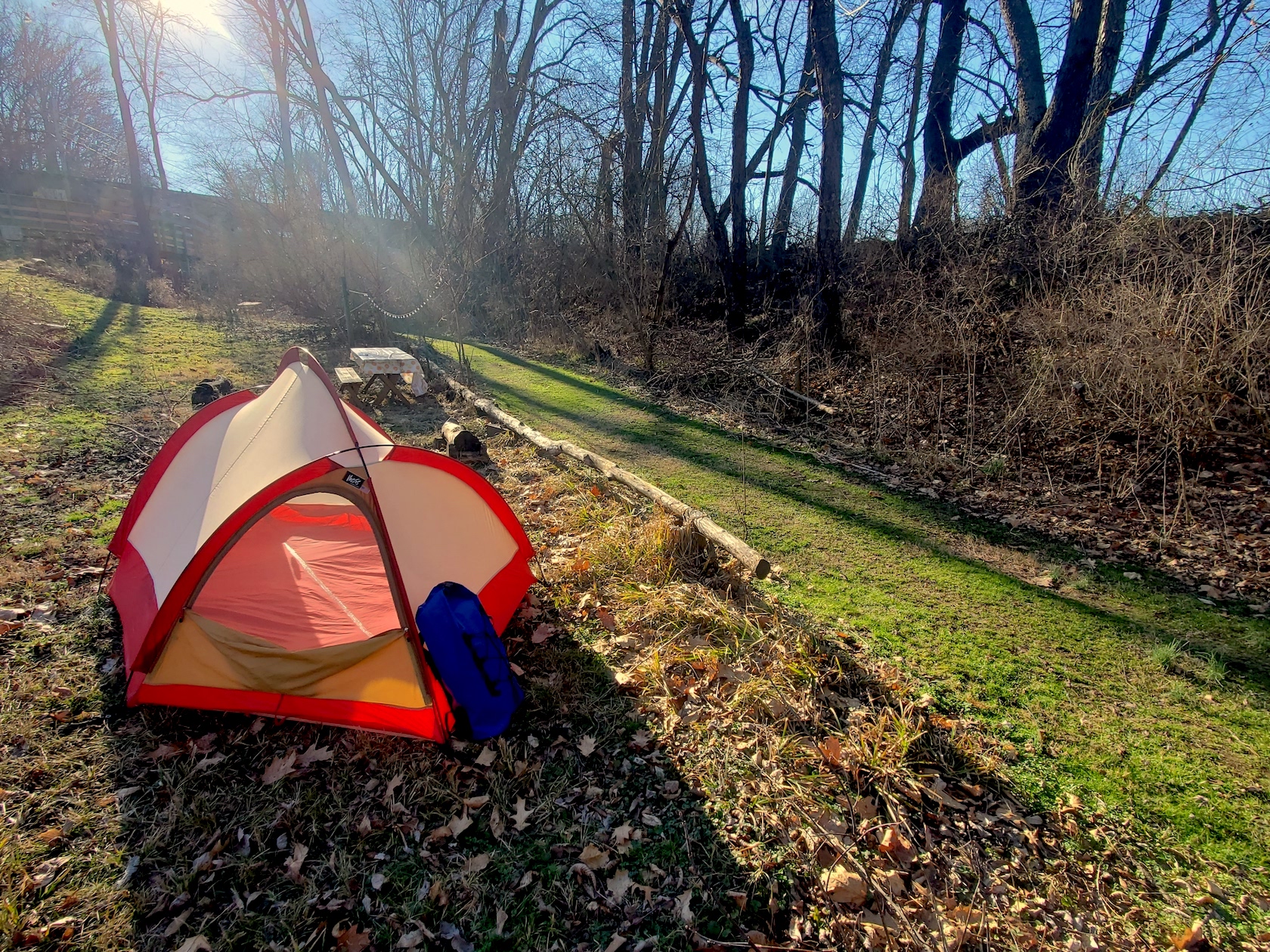

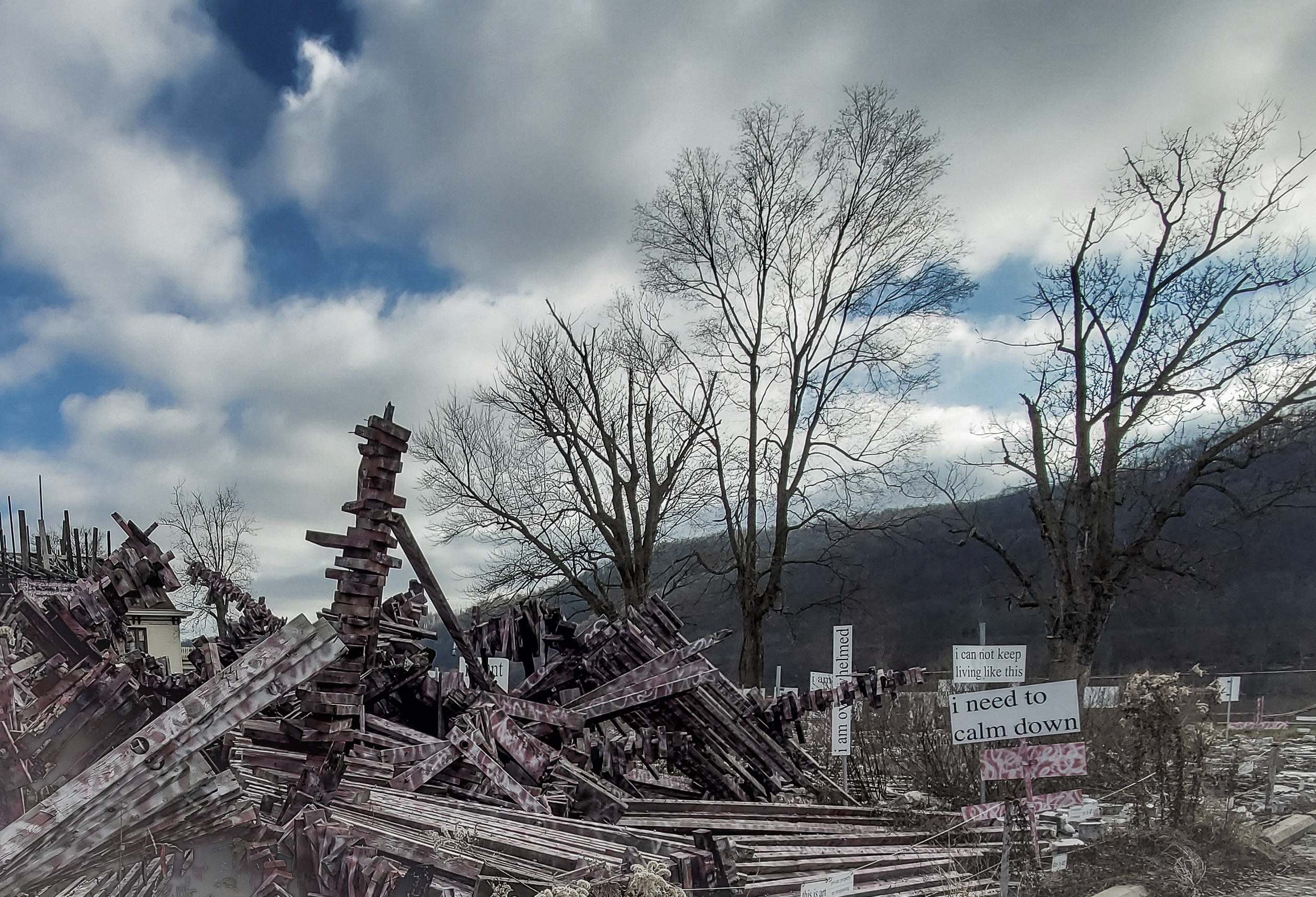

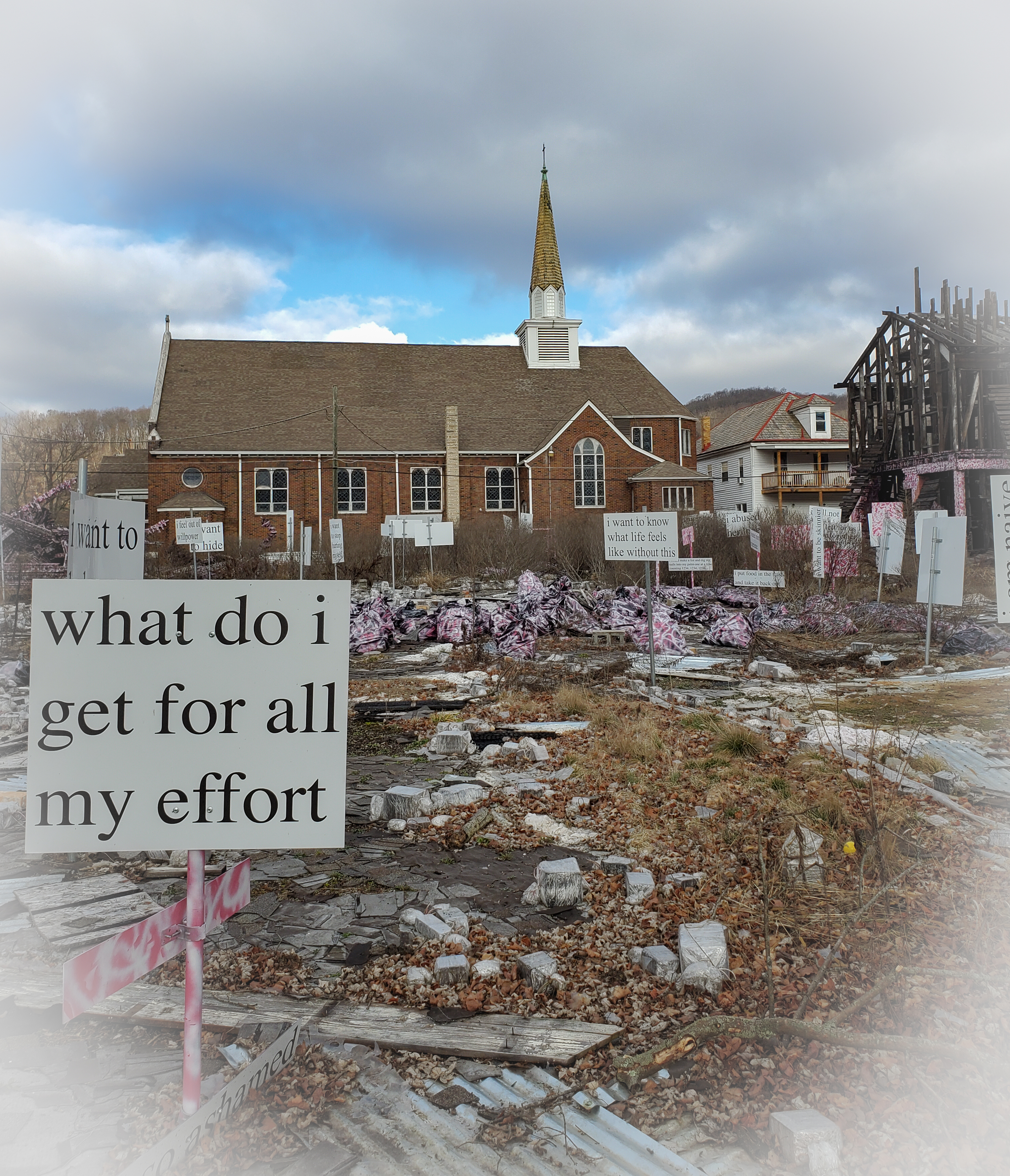

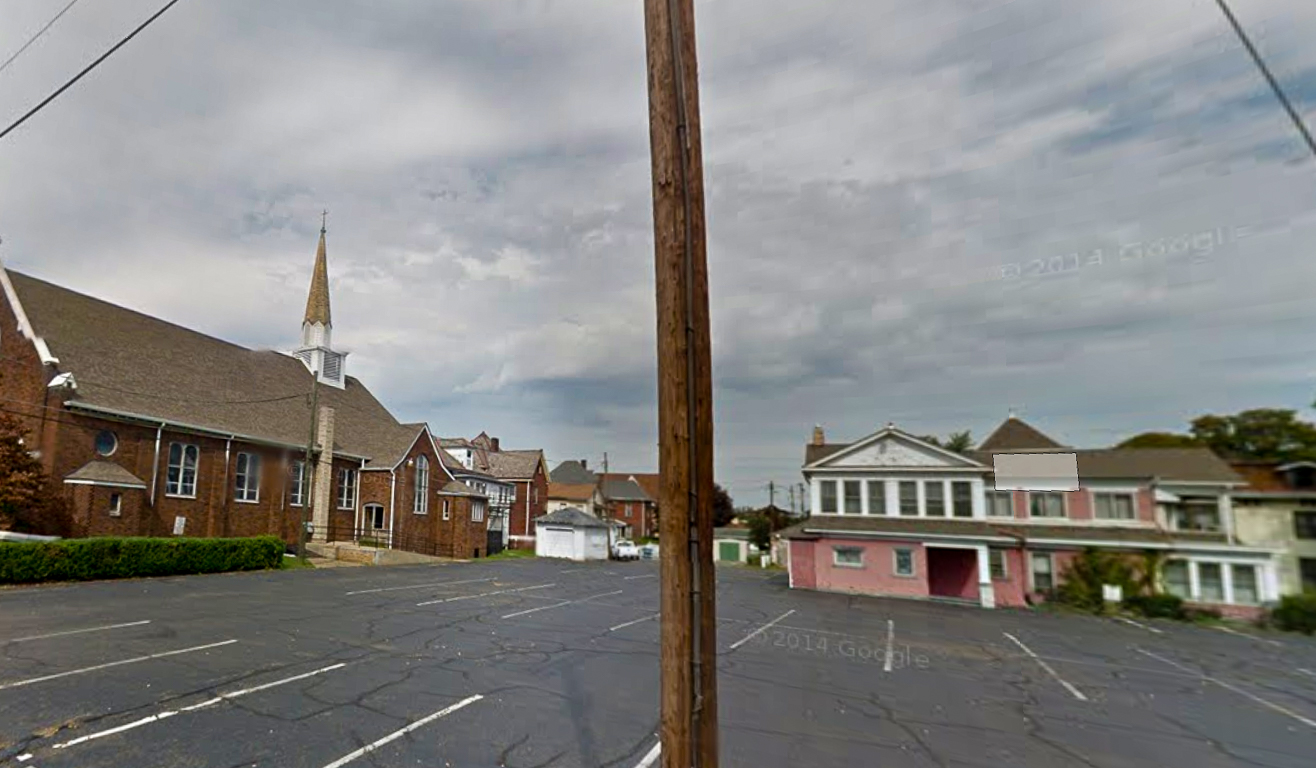
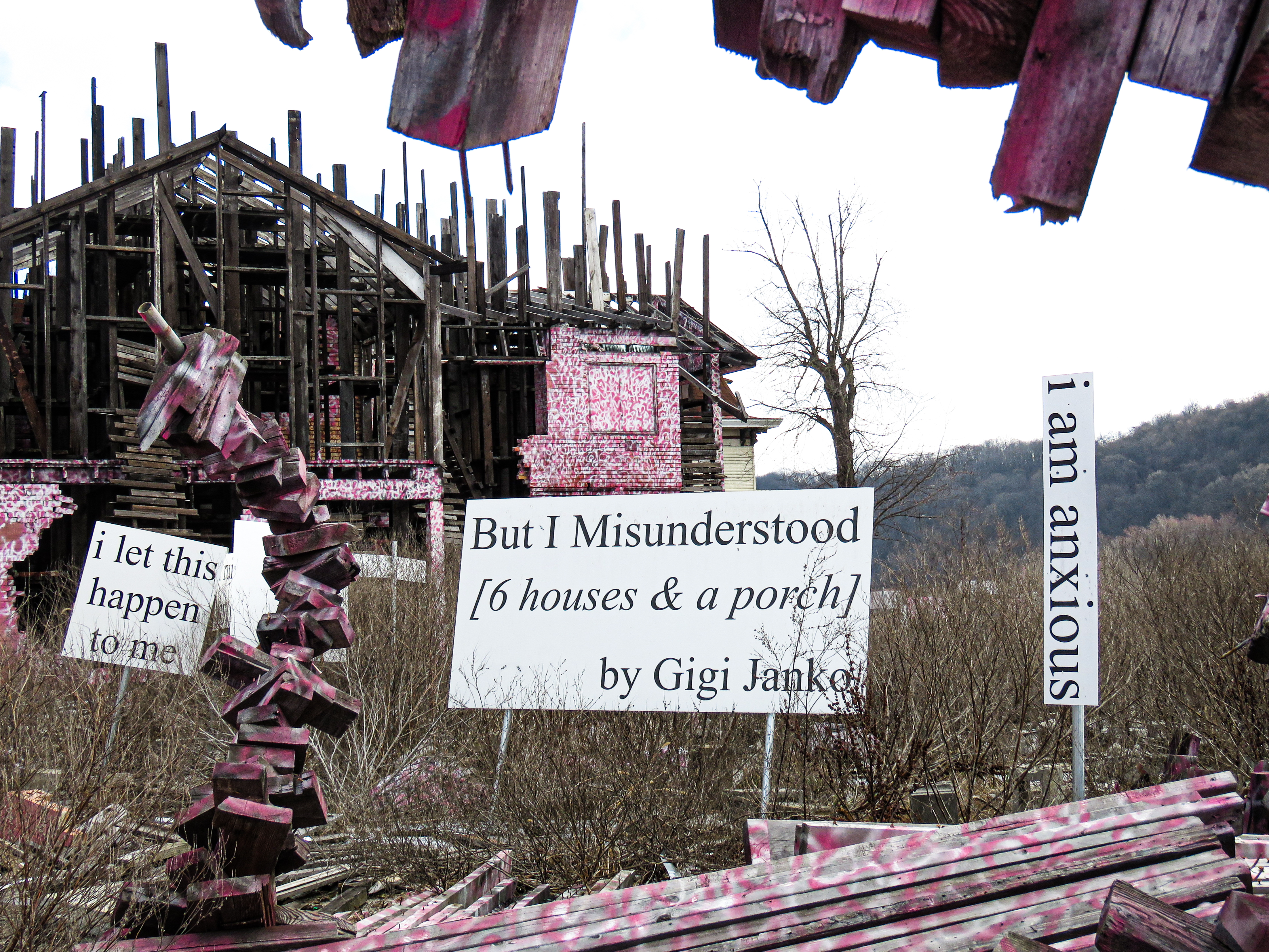
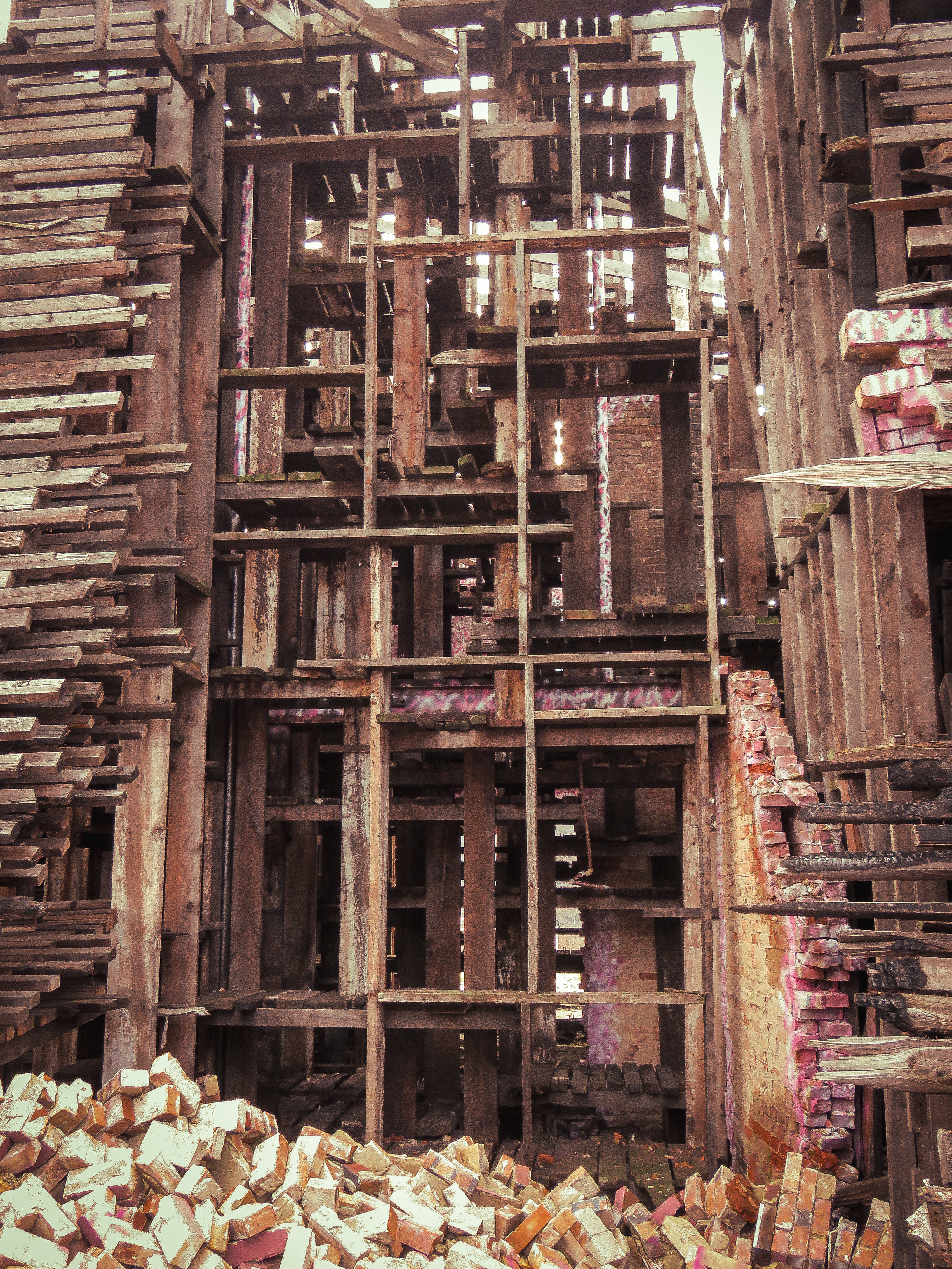

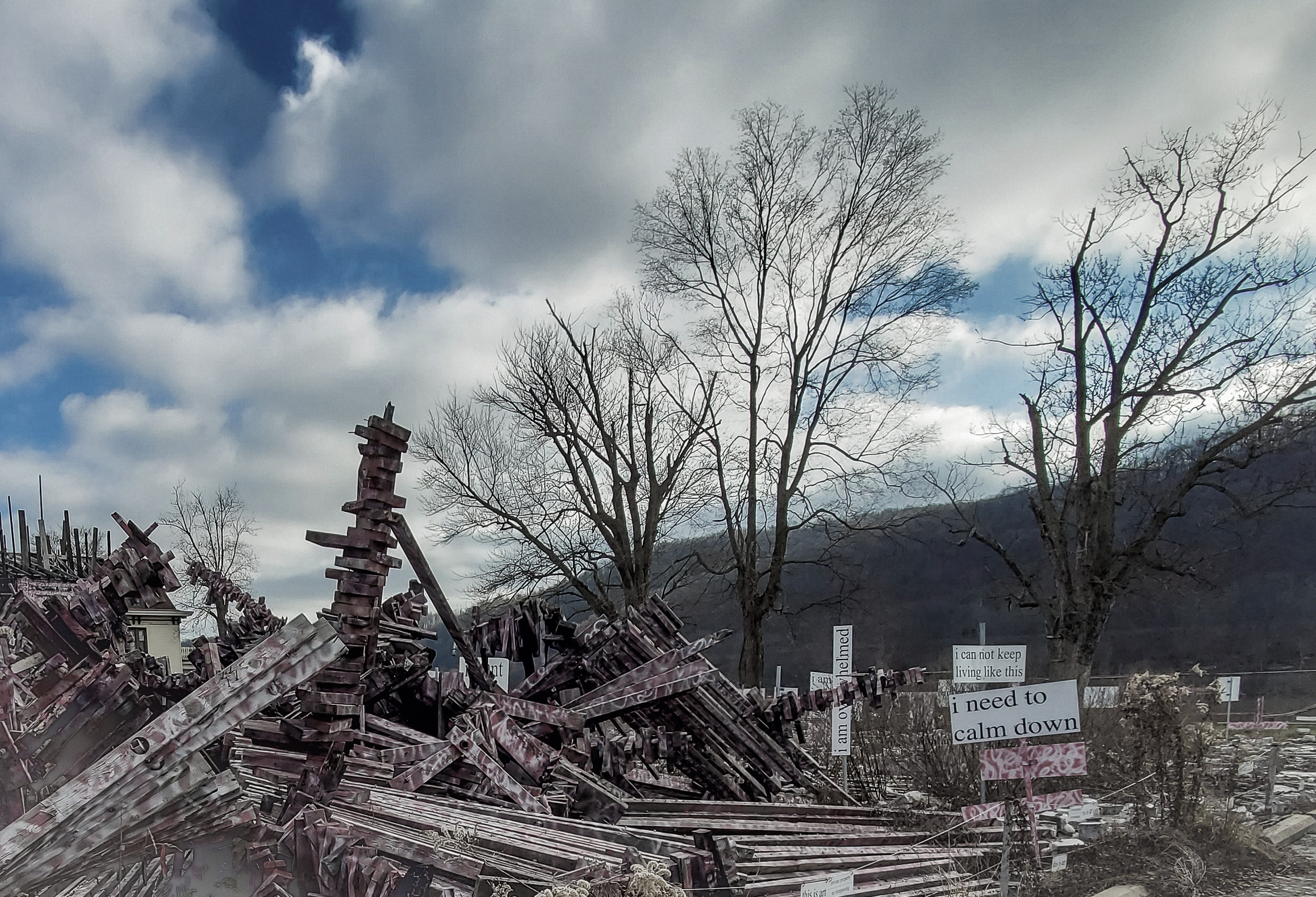
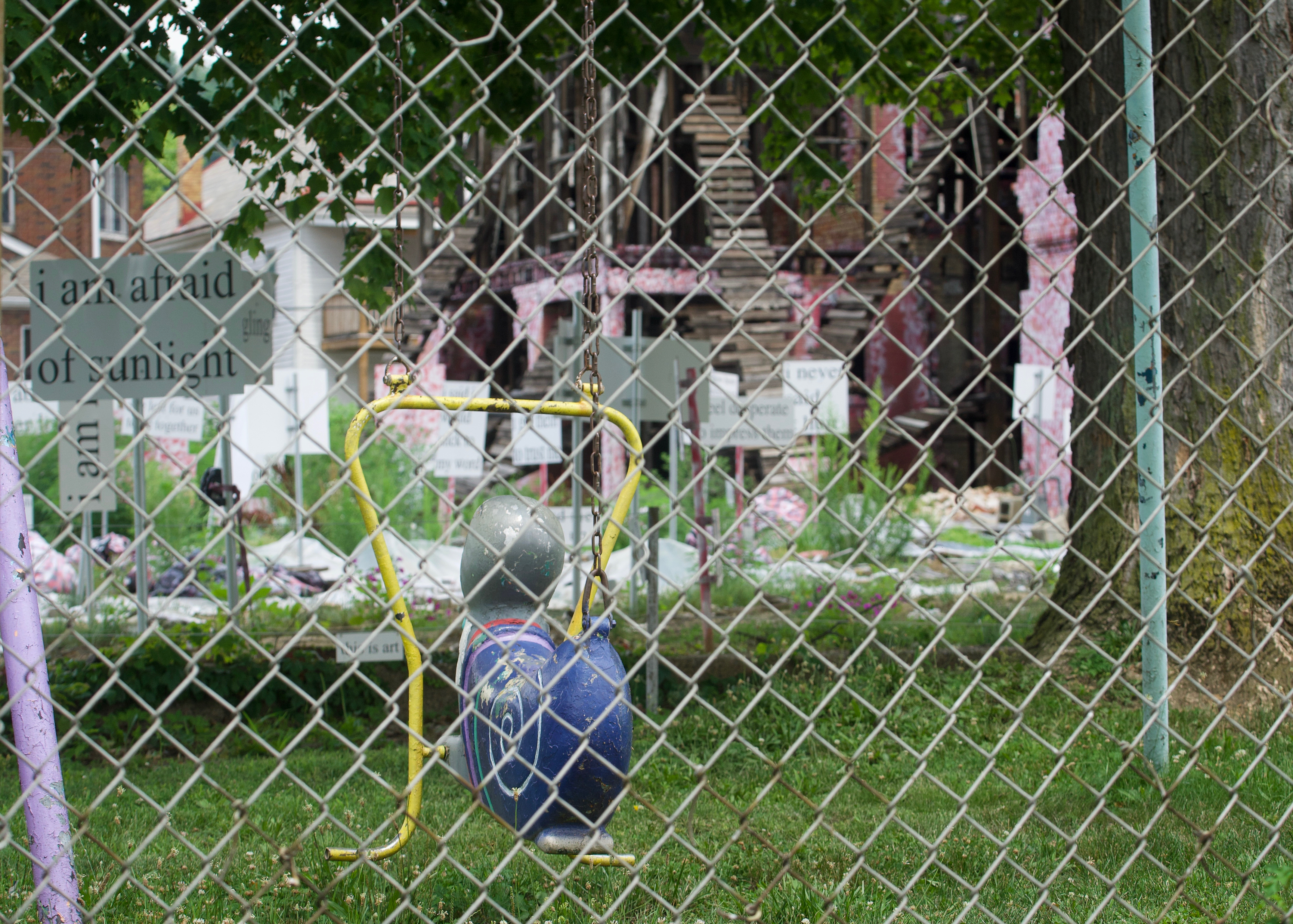

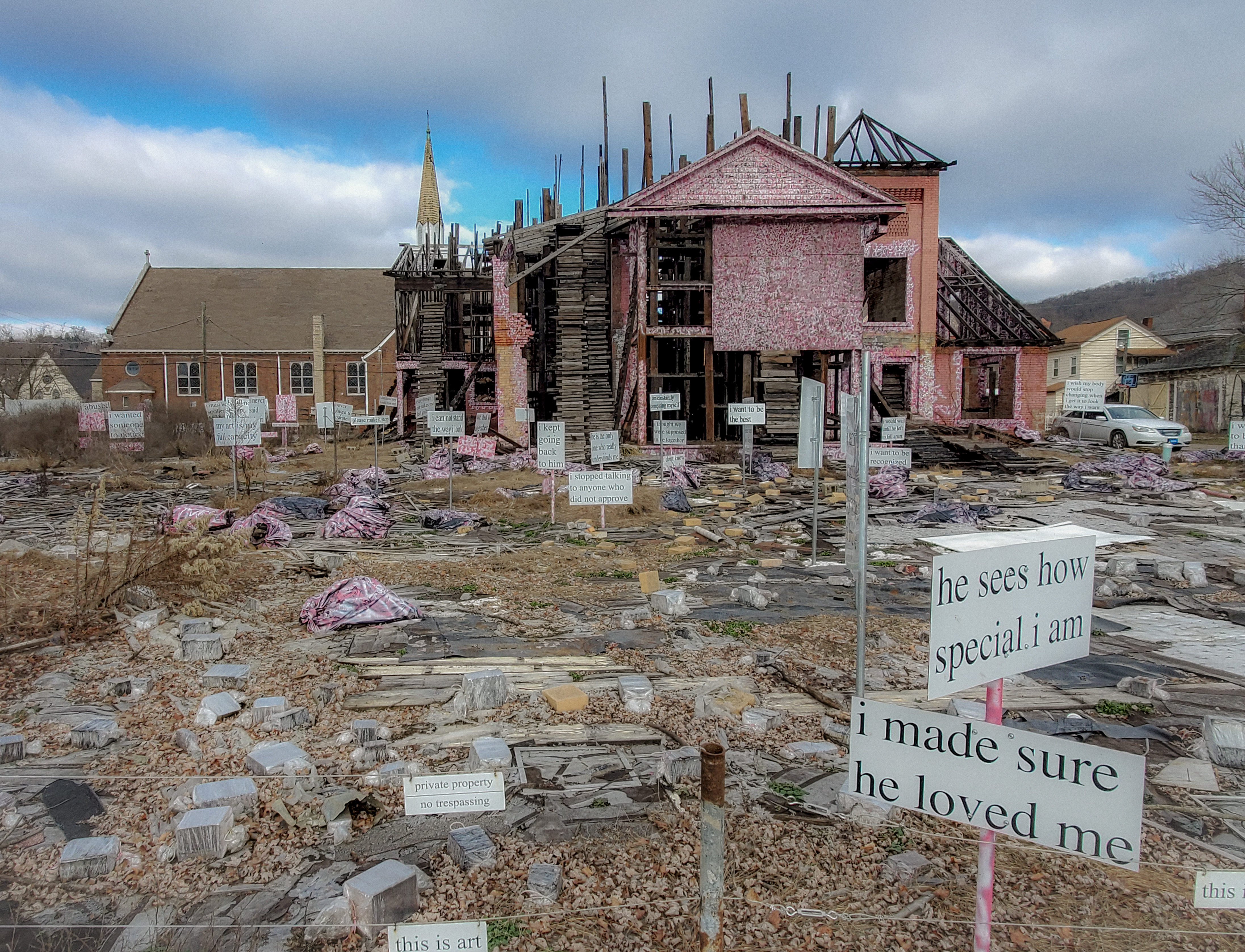

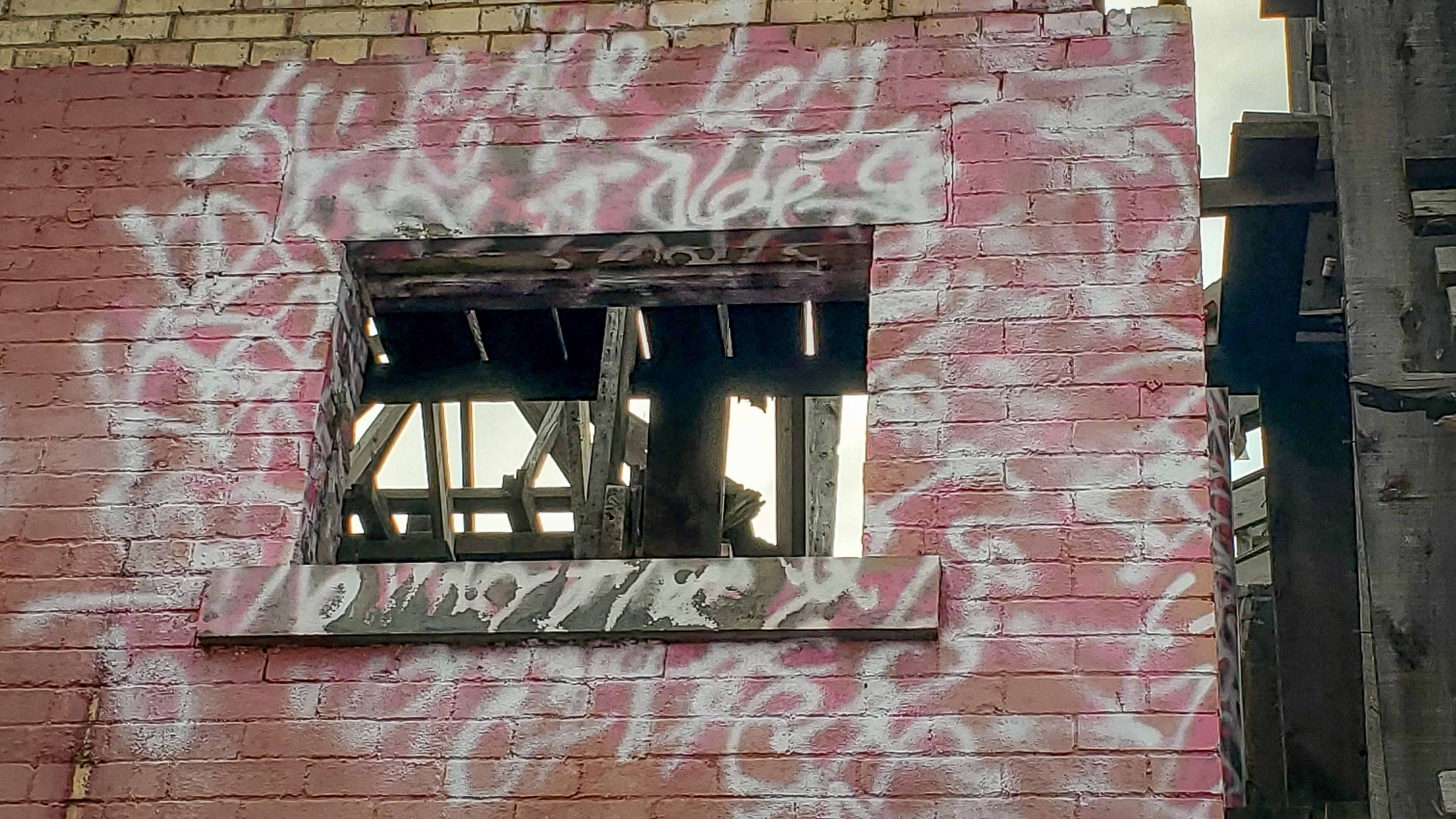
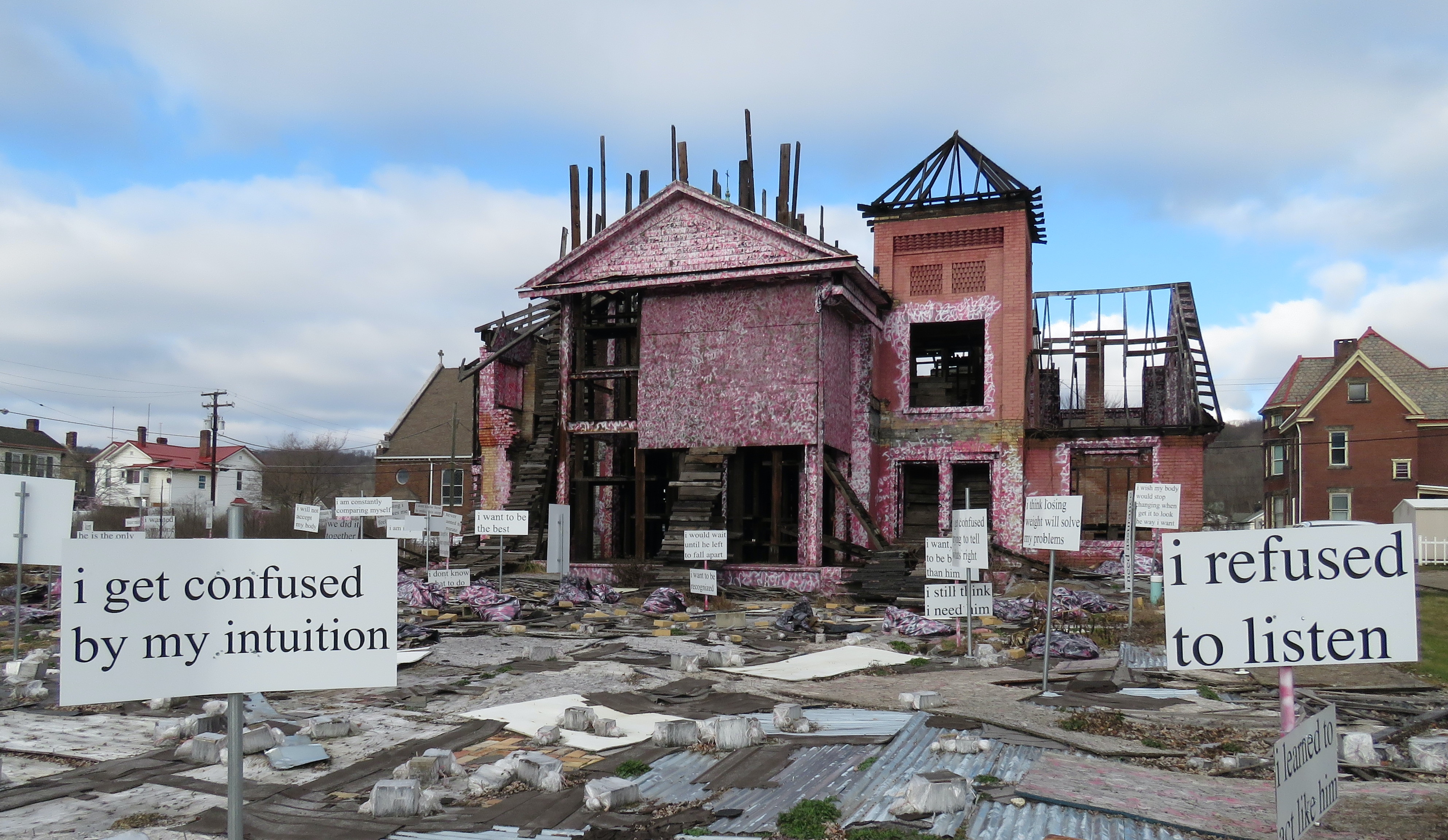
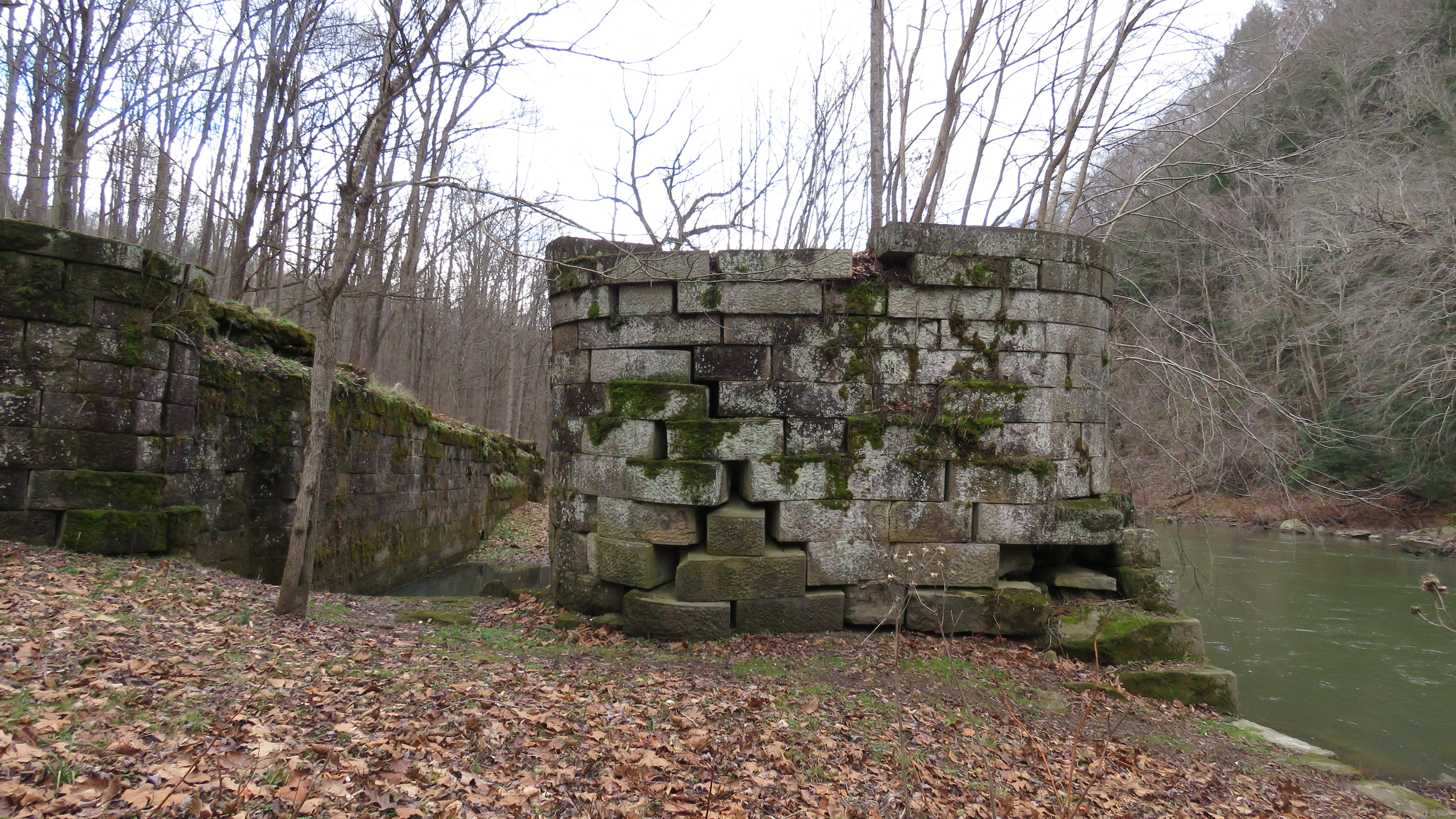
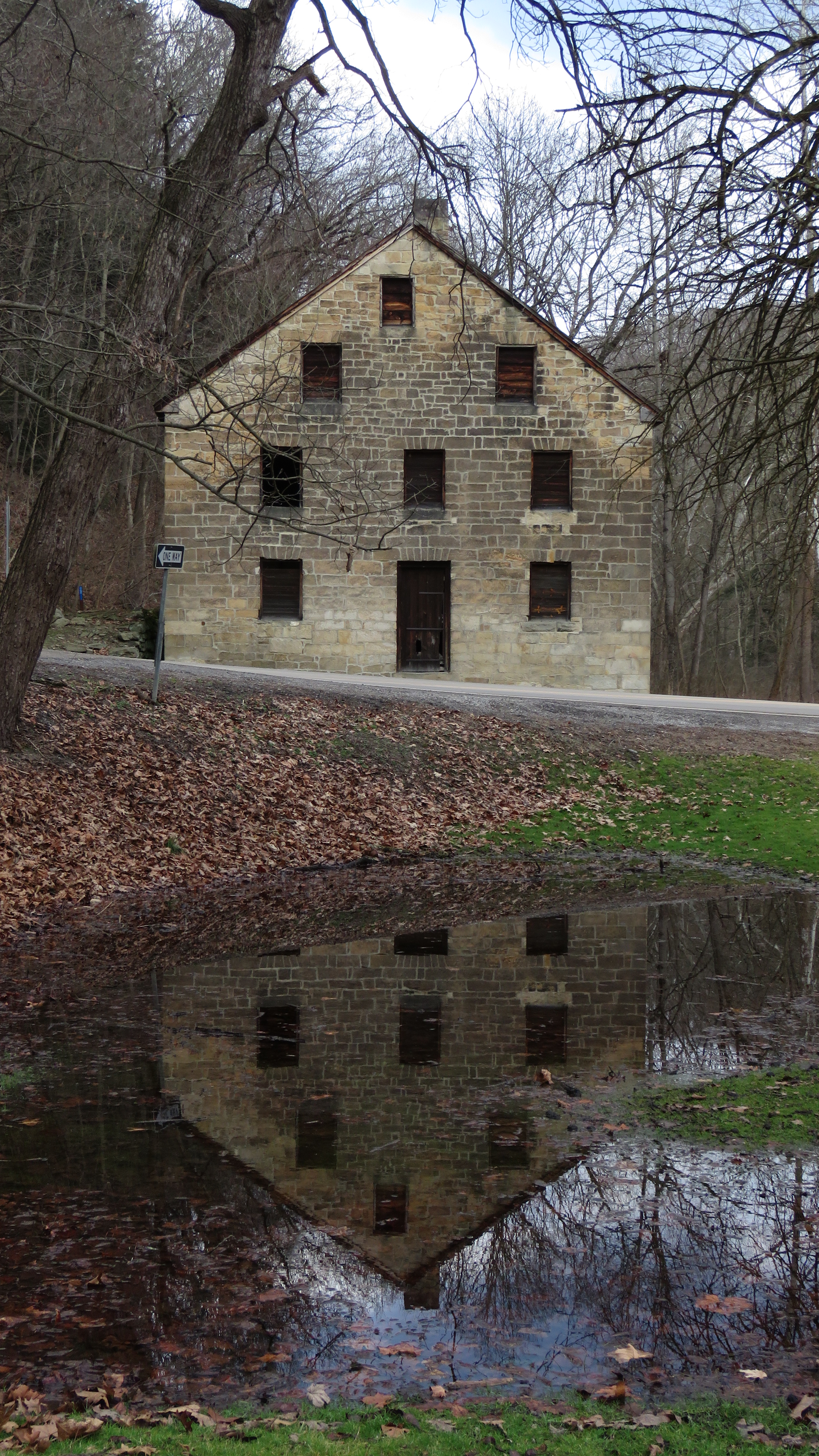
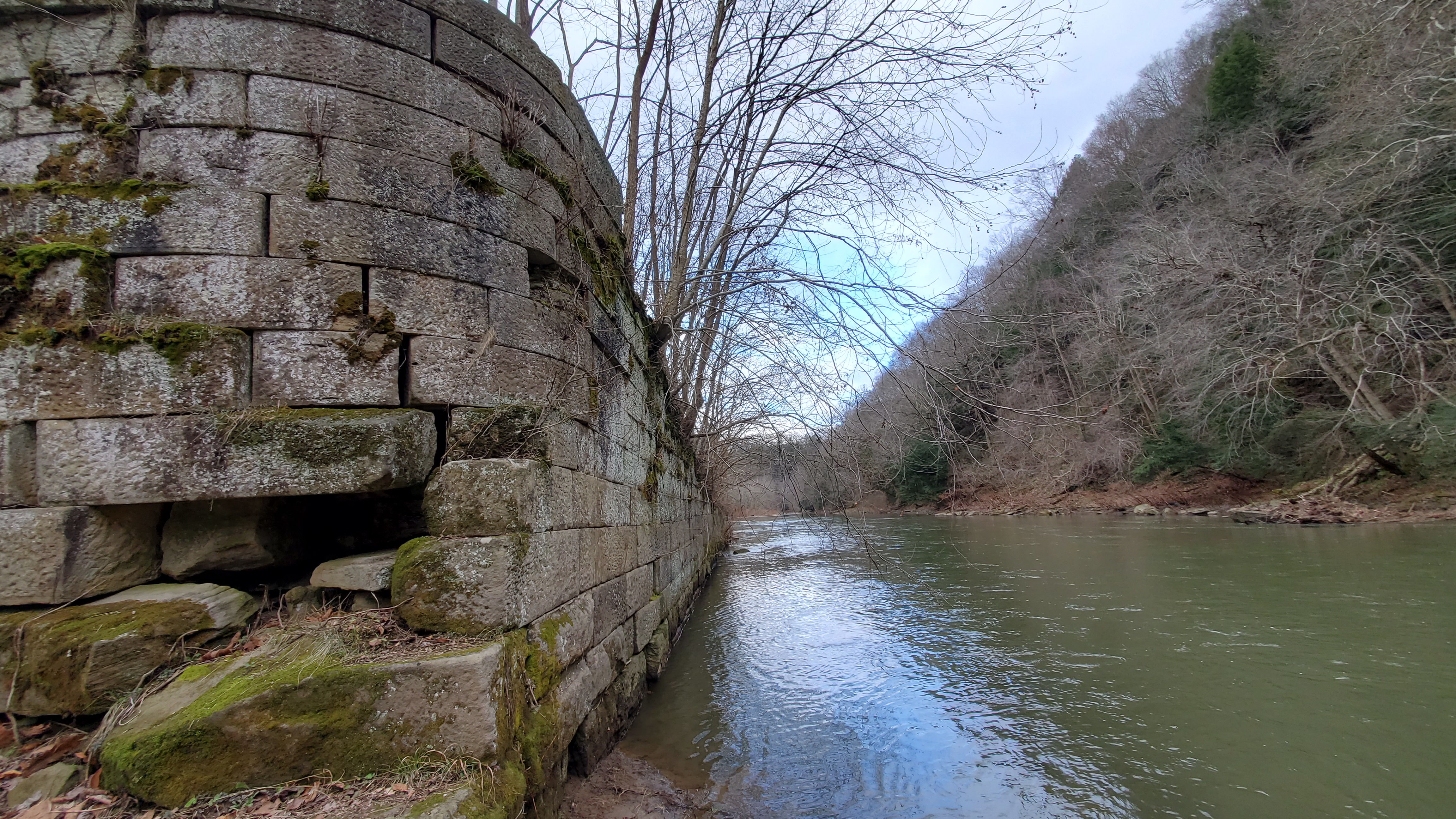
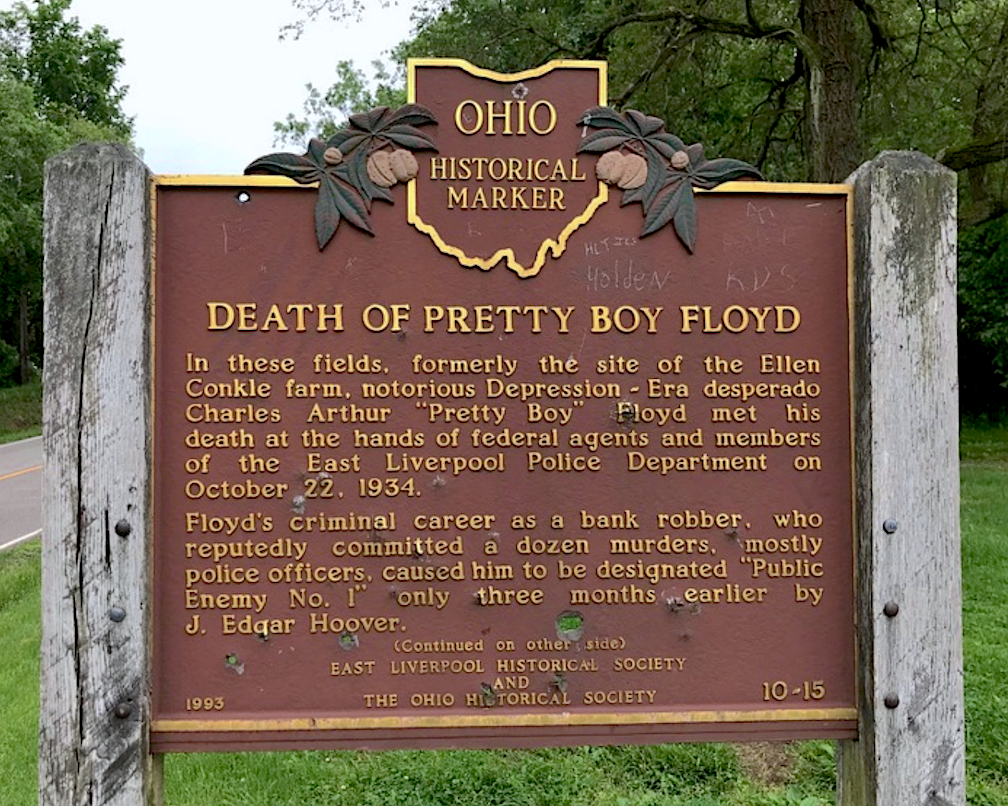
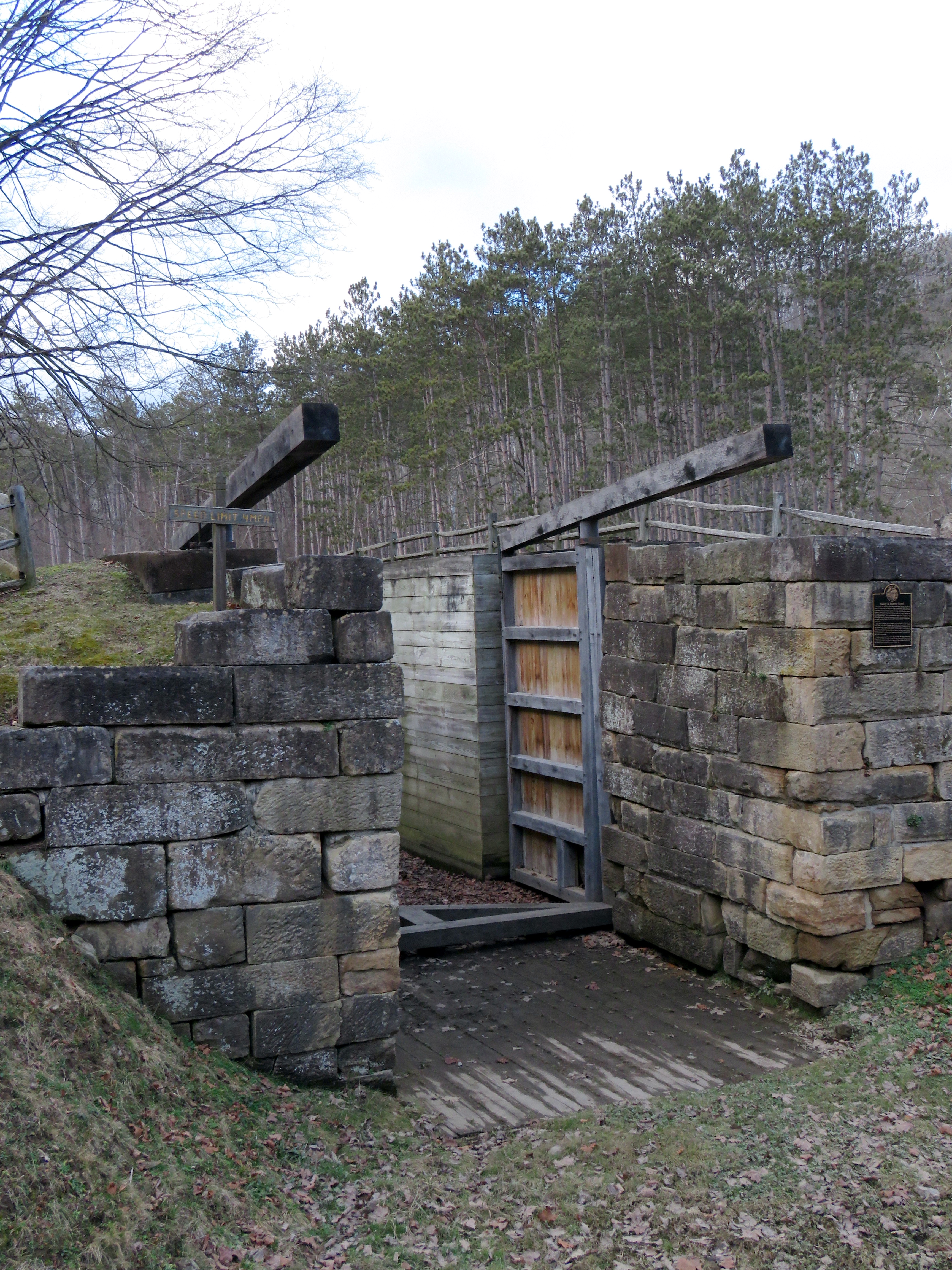
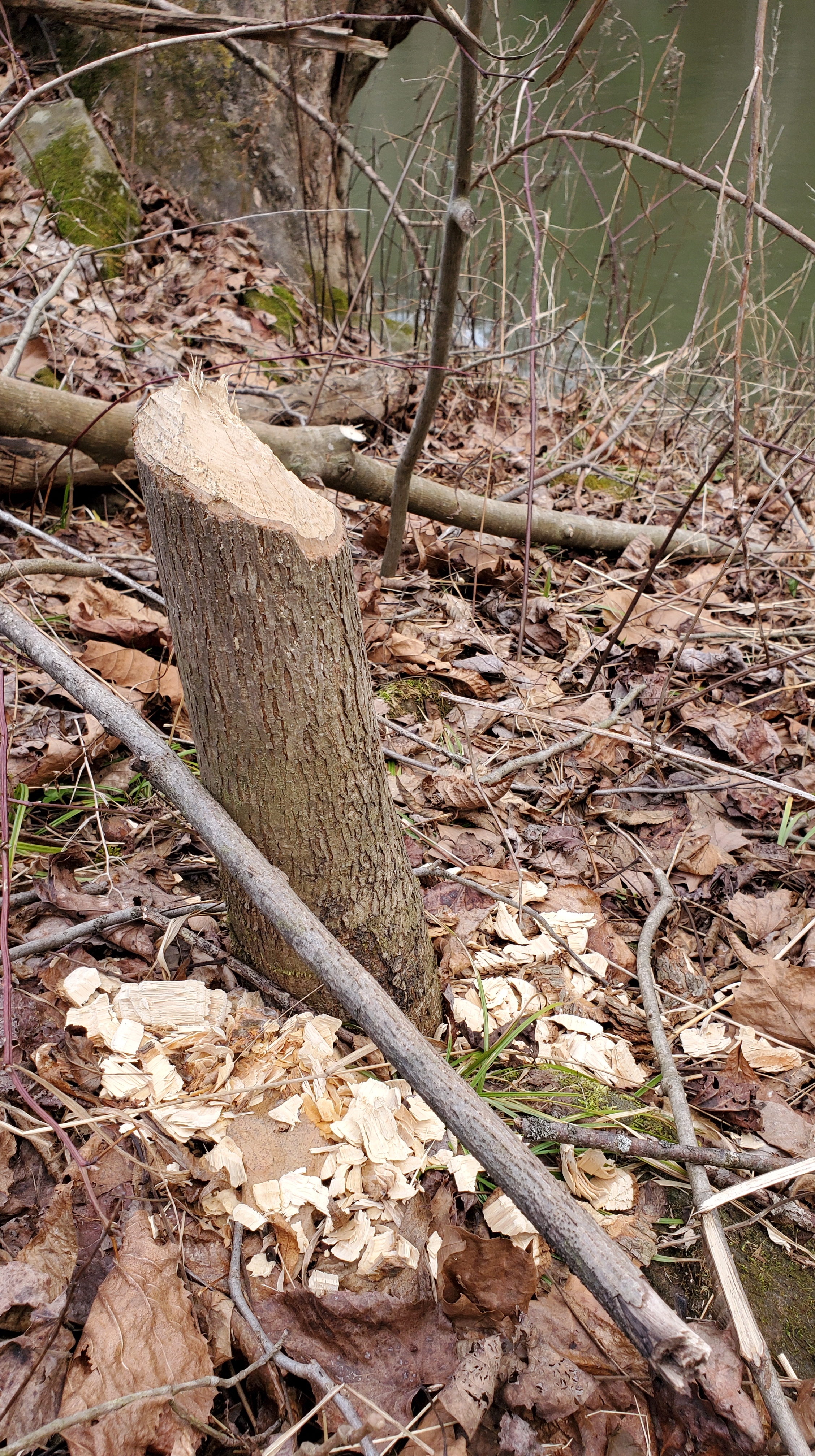
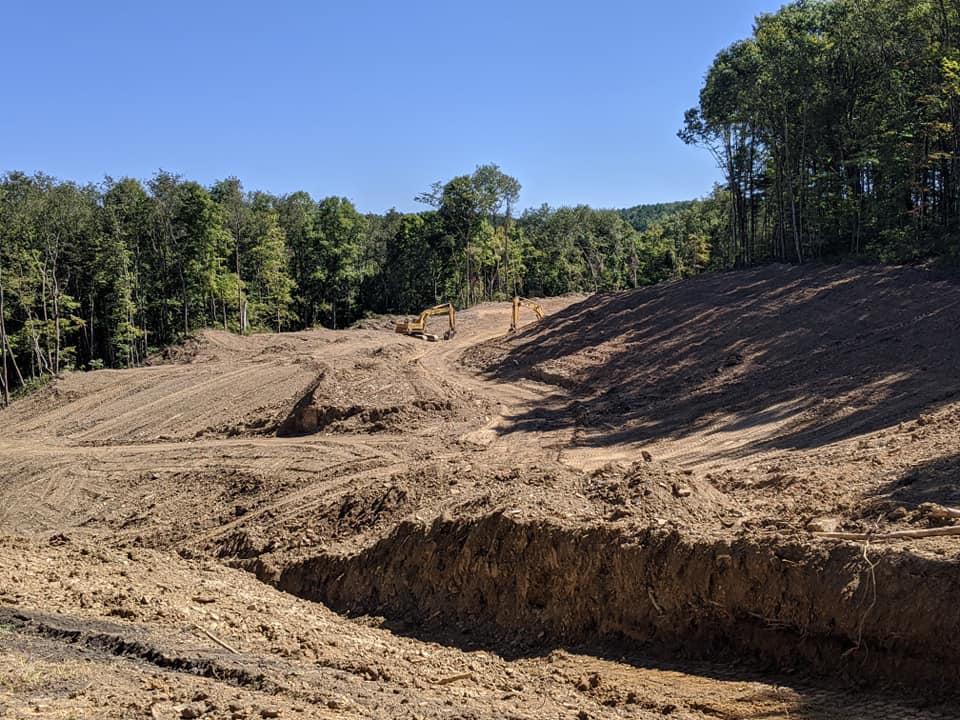
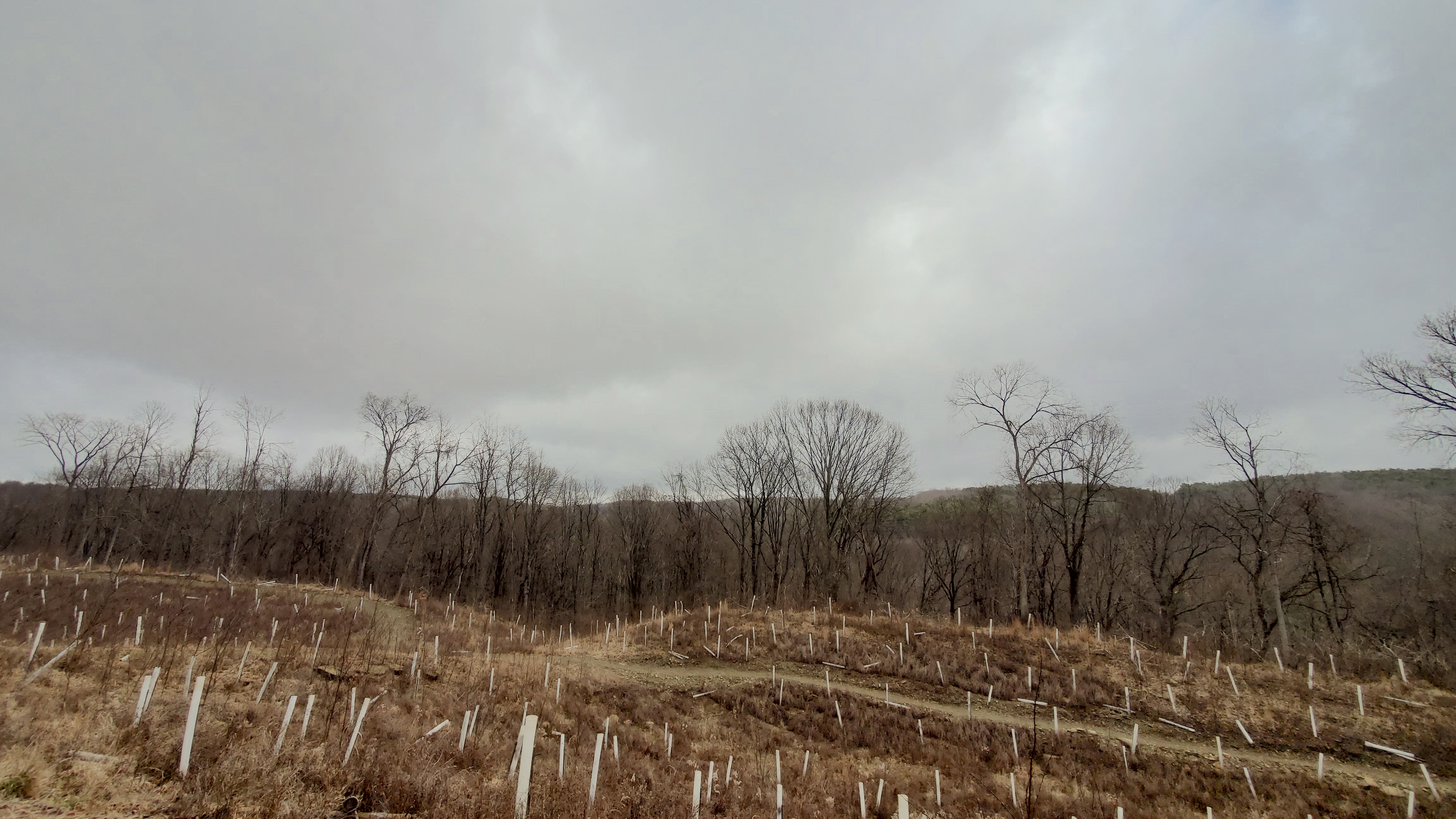



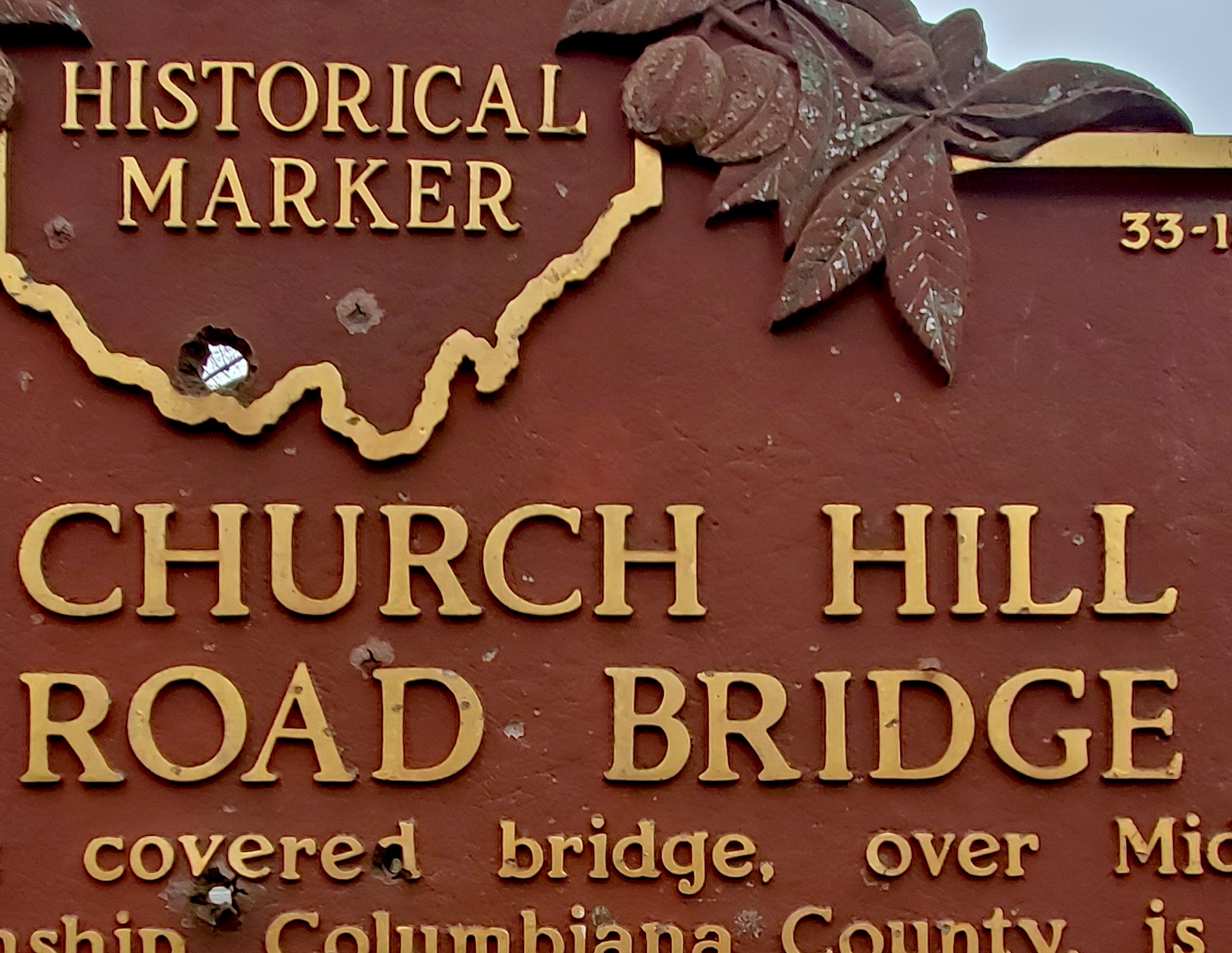
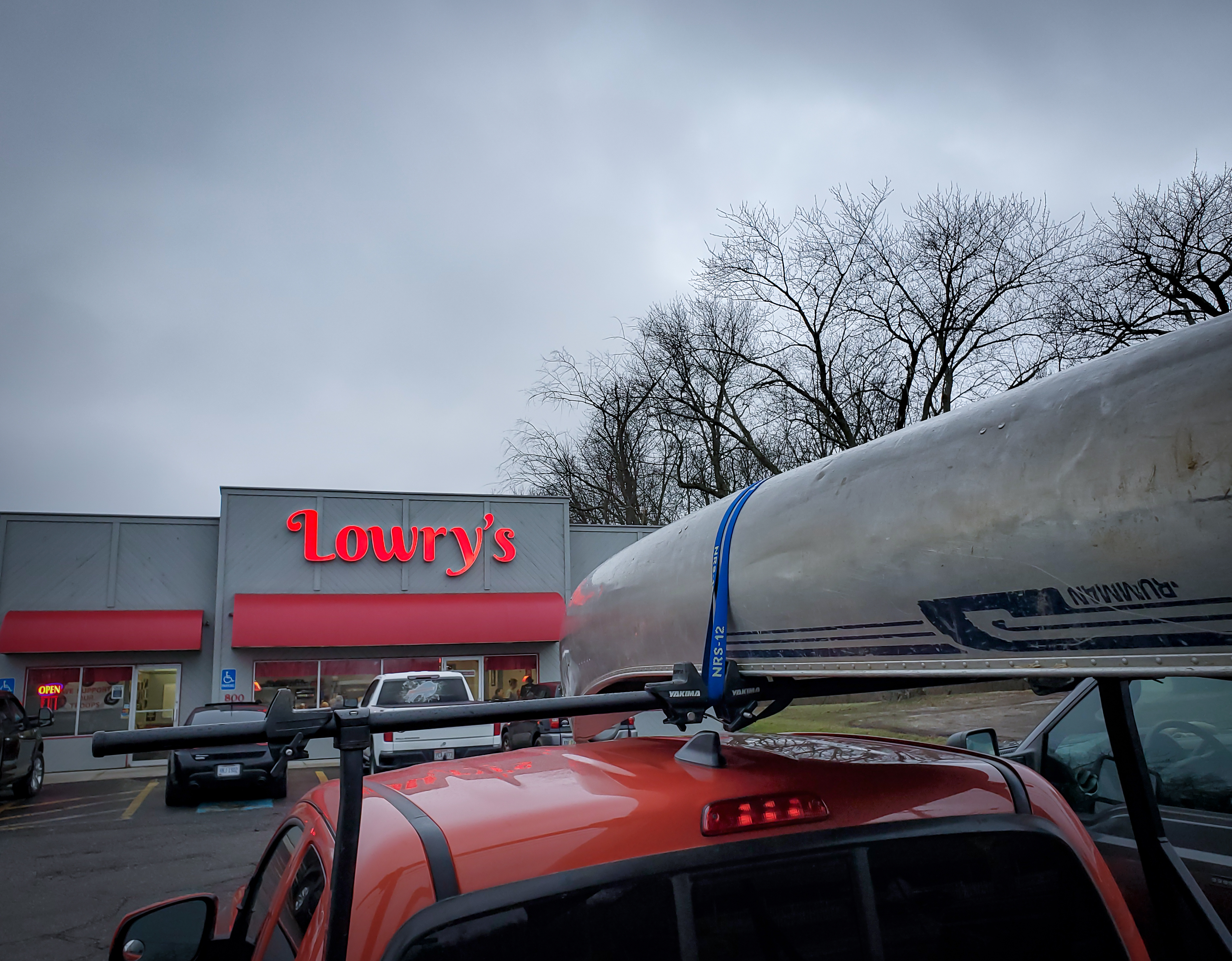
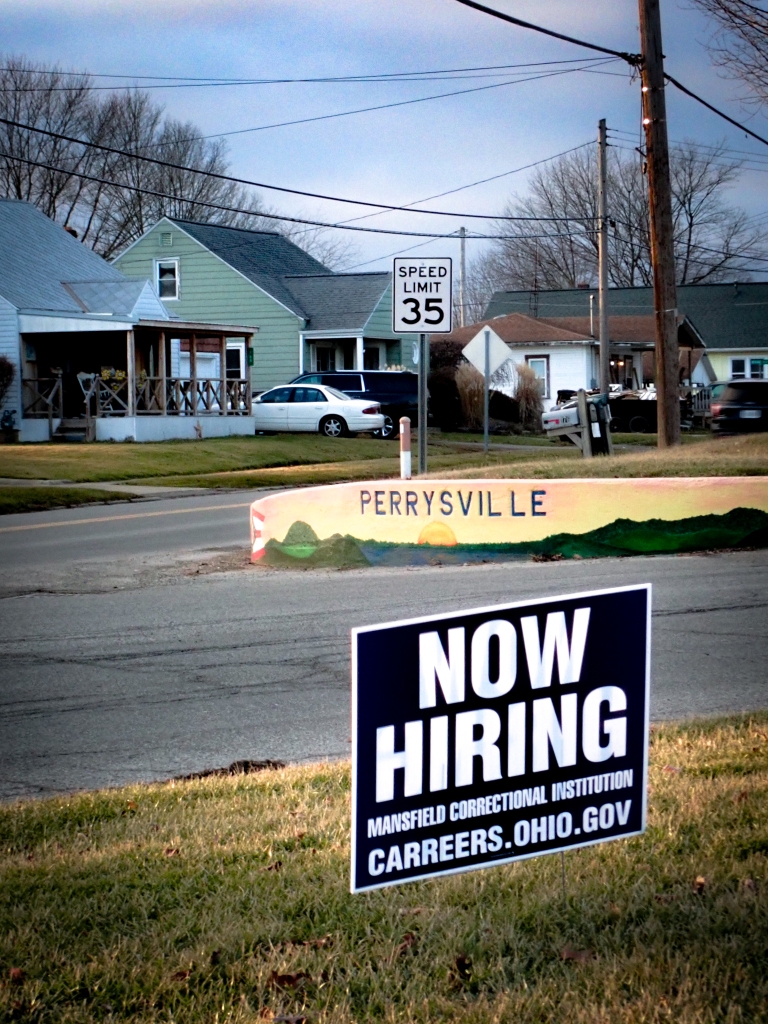
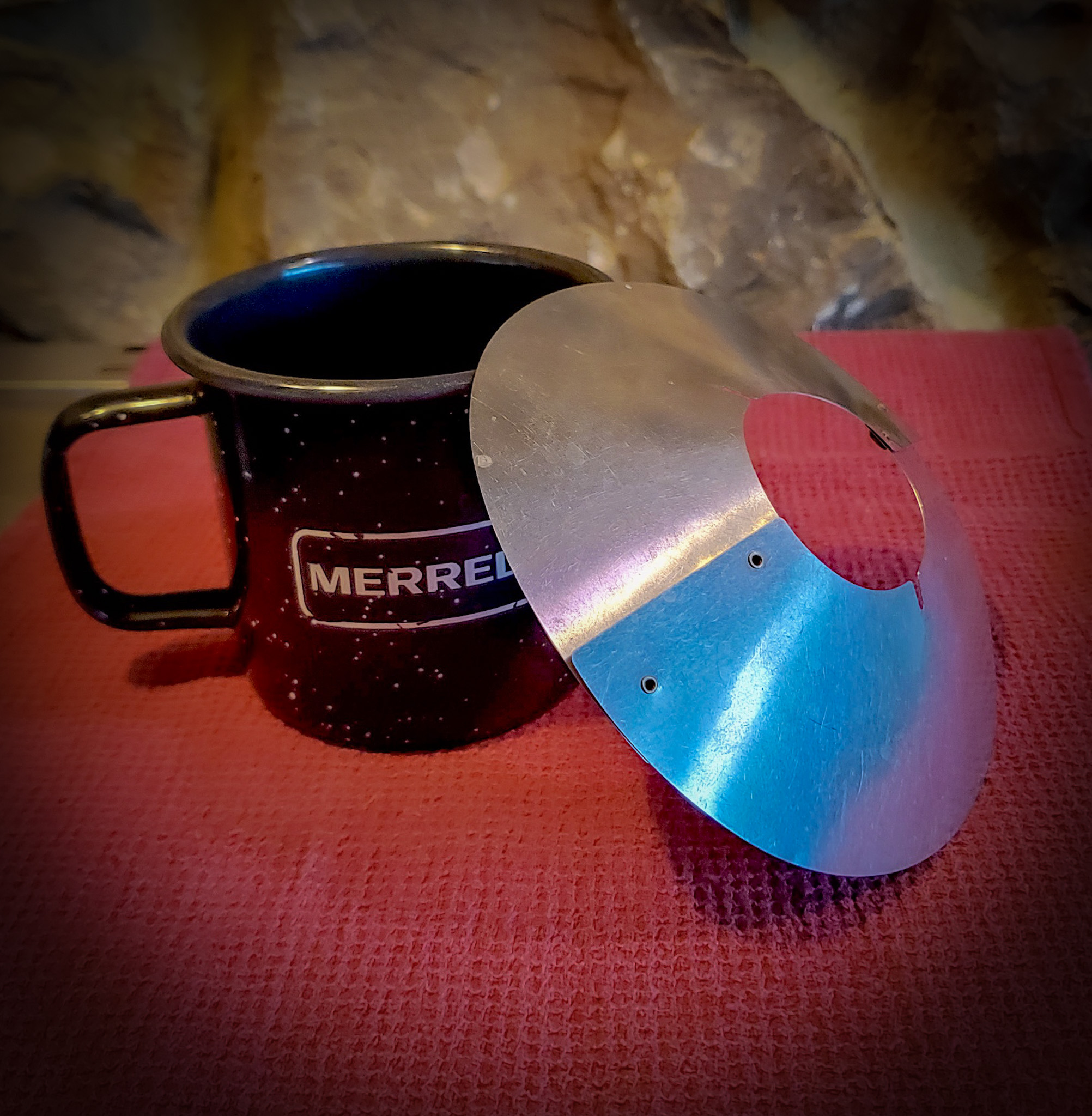
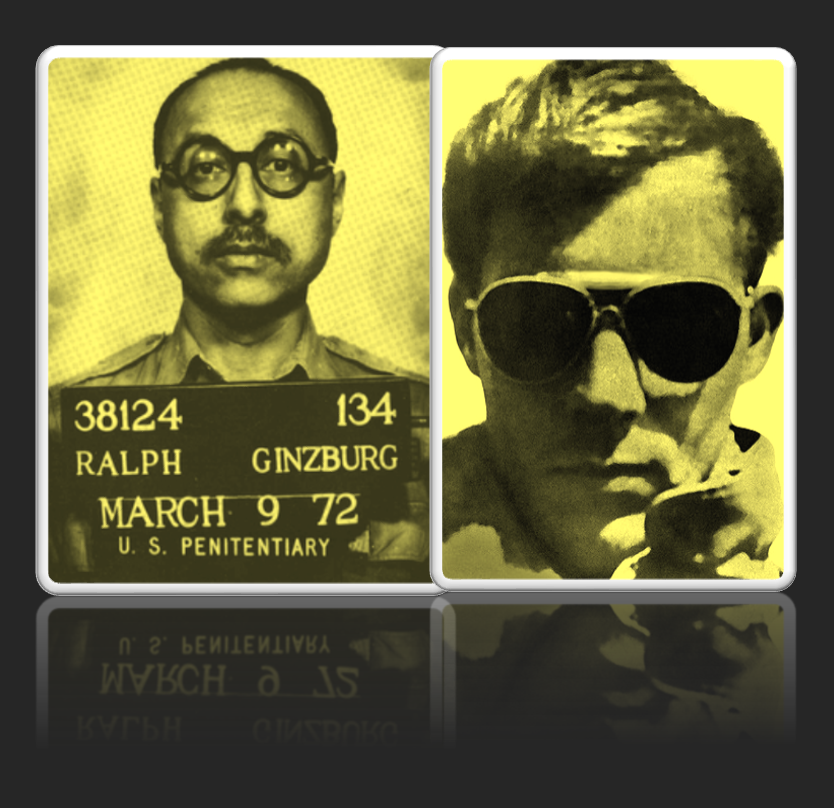
 IRV OSLIN